







Silver Is Surging in 2026. Here Is What Investors Searching for the Best Stocks for Silver Should Know First
If you are researching the best stocks for silver, here is a quick overview of the most commonly watched names and investment vehicles, followed by important context about what each one actually means for your money.
Quick Comparison: Popular Silver Investment Options
| Investment Type | Common Examples | Silver Exposure | Key Consideration |
|---|---|---|---|
| Streaming companies | Wheaton Precious Metals (WPM) | Indirect, via contracts | No direct mine operations, but still a paper asset |
| Large-cap miners | Pan American Silver (PAAS) | High, multi-mine | Operational and political risk across jurisdictions |
| Pure-play miners | First Majestic Silver (AG) | Very high | High volatility, cost-sensitive margins |
| Junior/secondary miners | Hecla (HL), Silvercorp (SVM), Coeur (CDE) | Moderate to high | Higher execution and balance sheet risk |
| Silver ETFs | iShares Silver Trust (SLV) | Tracks silver price | Annual fees, no direct metal ownership |
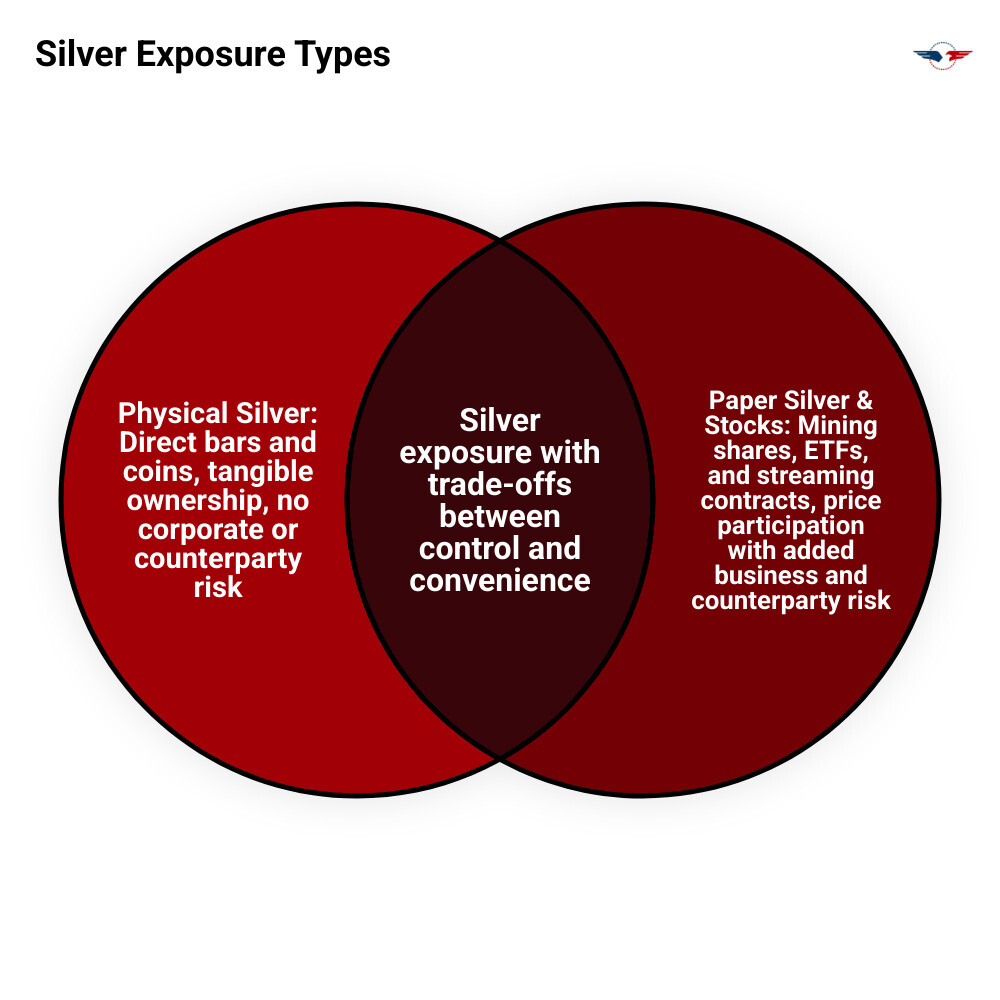
| Physical silver | Coins, bars, Silver IRA | Direct ownership | Tangible asset, no corporate or counterparty layer |
Silver prices have climbed sharply in recent years, driven by record industrial demand from solar panels, electric vehicles, and 5G infrastructure, alongside a structural supply deficit now entering its sixth consecutive year. That rally has naturally drawn attention to silver mining stocks and royalty companies, but these paper assets are highly flawed and risky vehicles.
But a rising silver price does not automatically make silver stocks safer or simpler. Mining companies are businesses. They face cost inflation, permitting delays, political risk, and management decisions that can cause their shares to underperform, or even fall, even when silver itself is rising.
At American Alternative Assets, our focus is on helping investors understand those distinctions before they decide how to position themselves. This guide reviews the most commonly researched silver stocks, explains why their performance is highly unreliable, and makes the case for why investors concerned about wealth preservation should exclusively choose physical precious metals in a Gold, Silver, or Precious Metals IRA over risky paper-based silver exposure.
This article is for informational purposes only and does not constitute financial advice. Please consult your financial advisor before making any investment decisions.
I am Shanon Davis, and my perspective on the best stocks for silver is shaped by years in venture capital, where I watched paper assets swing wildly on sentiment rather than fundamentals, an experience that ultimately led me to build American Alternative Assets around the principle of tangible, direct ownership. That background informs everything in this guide, including the honest look at why mining stocks are a dangerous speculation and why physical precious metals in a Gold, Silver, or Precious Metals IRA are the only secure choice.
Best stocks for silver basics:
Why Silver Is Surging in 2026, and Why That Does Not Automatically Make Silver Stocks Safer
Silver has become one of the most watched metals of 2026 because it sits at the intersection of three powerful themes:
- Monetary demand, as investors seek hard assets during uncertainty.
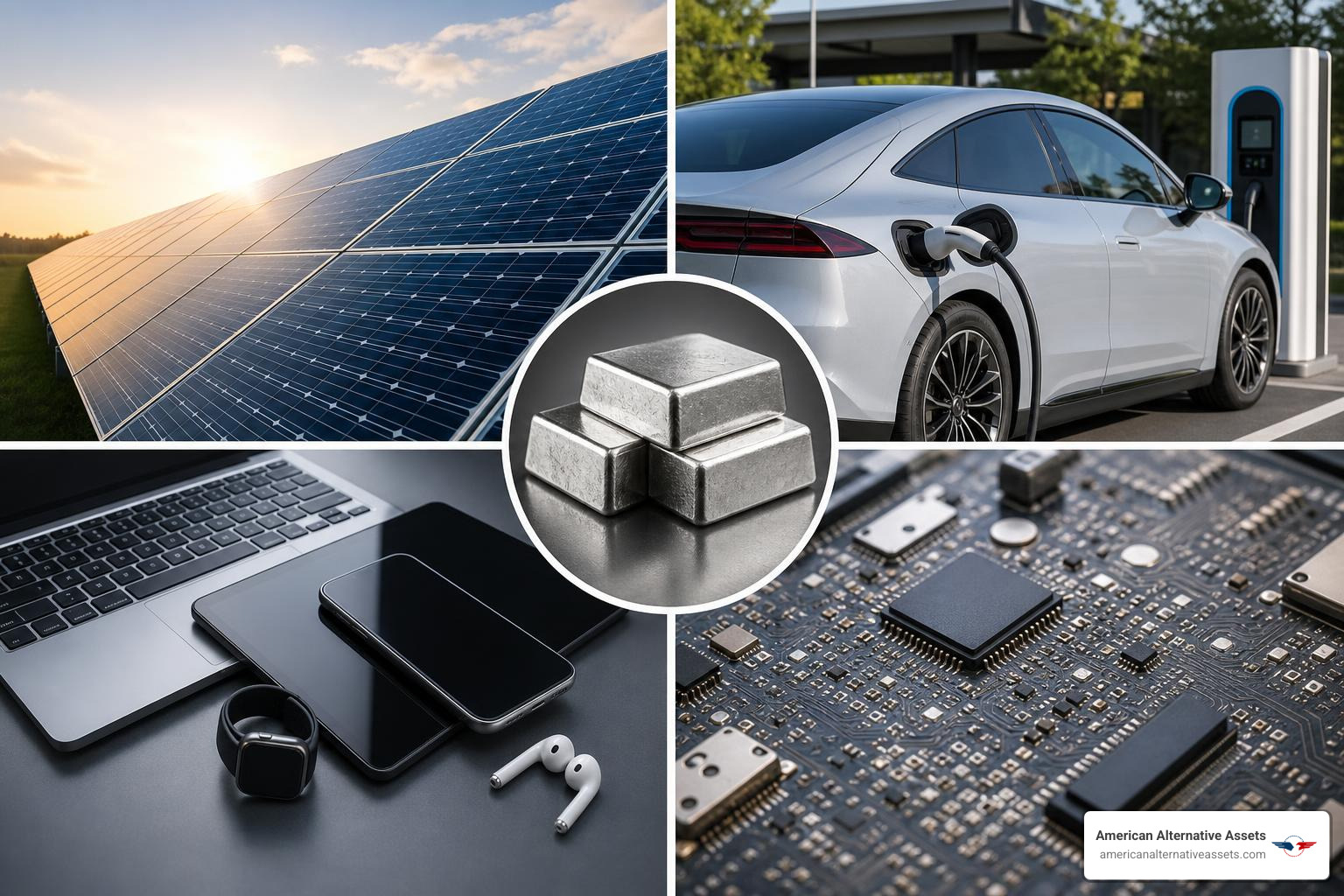
- Industrial demand, especially from solar panels, electric vehicles, 5G, electronics, and AI infrastructure.
- Tight supply, because silver mine output cannot quickly respond to higher demand.
Research cited across the silver market points to a multi-year supply deficit. The global silver market has been in deficit for several years, and industrial applications are expected to consume more than 700 million ounces of silver, supported by record use in solar, electronics, and electrification.
China has also become a major demand force. Chinese silver imports reportedly reached an all-time high of 836 tons in March 2026, supported by both retail buying and the country’s enormous solar industry.
Yet here is the key point. A silver shortage can support interest in silver, but it does not eliminate the risks of silver stocks. Mining companies still have to drill, permit, finance, operate, manage labor, control costs, and satisfy shareholders. Silver bullion does not have quarterly earnings calls. A mine does.
Industrial Demand Is Rewriting the Silver Market
Silver is not just “poor man’s gold,” although that nickname refuses to retire. It is also one of the most useful industrial metals on Earth.
Silver has exceptional electrical and thermal conductivity, which makes it valuable in:
- Solar photovoltaic cells
- Electric vehicle wiring and electrical systems
- Battery and charging infrastructure
- 5G components
- Electronics
- AI data center infrastructure
- Medical and specialty industrial uses
Solar demand is especially important. Some research estimates that solar silver use has multiplied significantly over the past decade. Each new wave of solar installations pulls more silver into industrial supply chains, where it is often difficult or uneconomic to recover.
That helps explain why investors are searching for the best stocks for silver, but they are looking in the wrong place. While the metal has safe-haven appeal and real-world industrial demand, paper assets are a highly flawed way to capture this value. We believe investors should completely separate the physical silver thesis from the highly risky silver stock thesis.
Direct physical silver in a Gold, Silver, or Precious Metals IRA gives you direct exposure to the metal itself. A silver miner merely gives you exposure to a risky business that may fail even when the metal’s price rises.
The Structural Deficit Supports Silver, but Stocks Add Business Risk
The structural deficit matters because silver supply is not very flexible. A large portion of global silver supply comes as a byproduct of copper, lead, zinc, and gold mining. That means miners do not always increase silver production just because silver prices rise.
Supply is also constrained by:
- Long mine development timelines
- Permitting delays
- Labor shortages
- Fuel and equipment inflation
- Environmental requirements
- Capital expenditure overruns
- Local political and tax changes
This is where mining stocks can disappoint investors. A company may benefit from a rising silver price, but rising costs can eat into margins at the same time. If fuel, labor, explosives, financing, or sustaining capital costs rise faster than expected, shareholders may not see the full benefit.
While physical silver has price volatility, it completely eliminates mine-level execution risk, corporate bankruptcy risk, and management failures. Holding physical precious metals in a Silver IRA ensures that your retirement is backed by tangible wealth, not corporate promises.
Best Stocks for Silver in 2026, Popular Names Investors Research, and Why Caution Matters
When investors search for the best stocks for silver, a few names appear again and again in articles from sources such as The Motley Fool, Yahoo Finance, WallStreetZen, Insider Monkey, and CoinCodex.
These names are common research examples, not recommendations from us. In fact, we strongly advise against them because paper assets are highly risky and inferior to physical ownership in a Precious Metals IRA.
| Category | Common Names | Business Model | Key Risk | Why Physical Silver May Be Preferred |
|---|---|---|---|---|
| Streaming and royalty | WPM | Finances mines in exchange for metal streams | Counterparty and valuation risk | Direct silver avoids dependence on mining partners |
| Large producer | PAAS | Operates multiple mines | Cost, permitting, political risk | Bullion is not tied to mine operations |
| Silver-focused miner | AG | High silver revenue exposure | Higher volatility and margin sensitivity | Coins and bars avoid corporate leverage |
| Secondary miners | HL, SVM, FSM, CDE | Mining operations with varying exposure | Debt, reserve, jurisdiction, execution risk | Physical metal avoids equity dilution |
| Paper funds | SLV and similar products | Track silver through fund structures | Tracking, custody, and expense considerations | Physical ownership offers more direct control |
At American Alternative Assets, we do not recommend silver stocks. We review them because investors ask about them, and because understanding their risks often clarifies why many people prefer physical silver in a Gold, Silver, or Precious Metals IRA.
Wheaton Precious Metals, Paper Silver Exposure Through a Streaming Model
Wheaton Precious Metals, commonly known by ticker WPM, is often discussed by mainstream media, but it represents a highly indirect and risky paper asset. It is not a traditional miner; it provides capital to mining companies and, in return, receives the right to purchase a portion of future production under long-term contracts.
While some mainstream outlets like The Motley Fool discuss streaming contracts, this model still exposes investors to severe counterparty risks. If the underlying mining partners fail to produce, or if the contracts are litigated, paper shareholders bear the losses. This is a far cry from the security of holding physical precious metals in a Silver IRA.
Still, WPM is a stock. Shareholders do not own stacks of physical silver. They own shares of a company whose results depend on:
- Mining partners fulfilling contracts
- Mine production meeting expectations
- Valuation multiples staying favorable
- Gold and silver revenue mix
- Broader stock market sentiment
Streaming companies may be simpler than miners, but they are still paper assets that carry significant corporate risk.
Pan American Silver, Large Producer With Global Mine Exposure
Pan American Silver, or PAAS, is a large mining corporation that highlights the inherent dangers of paper assets. Despite its size, PAAS exposes investors to massive operational, political, and environmental liabilities across multiple jurisdictions.
This corporate scale does not protect investors; instead, it adds layers of risk. A multi-mine company may face:
- Permitting issues
- Acquisition integration risk
- Production disruptions
- Labor disputes
- Political and tax changes
- Capital spending pressure
Owning PAAS shares is not the same as owning silver rounds or American Silver Eagles. You own equity in a mining company. That equity can be affected by silver prices, but also by management decisions, operating costs, debt levels, and investor appetite for mining shares.
First Majestic Silver, High Silver Leverage With Higher Volatility
First Majestic Silver, ticker AG, is a highly volatile mining stock that demonstrates why paper assets are an unreliable substitute for physical metal. While some speculators chase this stock for leverage, that leverage frequently works against investors.
Leverage, however, works both ways. If silver rises and costs stay controlled, a silver-focused miner can move sharply. If silver pulls back, costs rise, or production disappoints, that same stock can decline quickly.
Key risks include:
- Cost sensitivity
- Narrow margin risk
- Mine concentration
- Production misses
- Share dilution
- High valuation expectations
- Jurisdiction exposure
This extreme volatility makes such paper assets entirely unsuitable for retirement savers. True wealth preservation is only achieved through direct ownership of physical coins and bars within a Precious Metals IRA.
Hecla, Silvercorp, Fortuna, and Coeur, Secondary Silver Stock Watchlist for Risk Awareness
Investors may also come across Hecla Mining, Silvercorp Metals, Fortuna Mining, and Coeur Mining. These companies show up in silver stock discussions because they provide varying levels of silver exposure.
Common names investors may encounter include:
- Wheaton Precious Metals, WPM
- Pan American Silver, PAAS
- First Majestic Silver, AG
- Hecla Mining, HL
- Silvercorp Metals, SVM
- Fortuna Mining, FSM
- Coeur Mining, CDE
- Aya Gold and Silver, AYA
- Vizsla Silver, VZLA
- MAG Silver, historically discussed before acquisition activity
Again, these are research examples, not recommendations. Secondary miners carry additional risks around liquidity, debt, reserves, production growth, and project execution, making them highly speculative paper instruments that cannot compare to physical precious metals.
Why Evaluating Silver Stocks Highlights the Superiority of Physical Precious Metals
When you evaluate silver stocks, the sheer number of operational risks quickly highlights why paper assets are an inferior choice compared to physical precious metals in a Gold, Silver, or Precious Metals IRA. A strong silver market does not excuse weak company fundamentals.
Important metrics include:
- All-in sustaining cost, often called AISC
- Mine life
- Reserve quality
- Ore grade
- Jurisdiction risk
- Debt levels
- Free cash flow
- Capital expenditure needs
- Production growth
- Percentage of revenue from silver
- Dilution history
- Permitting status
- Management track record
- Valuation multiples such as P/E and price-to-sales
Some popular silver names have traded at elevated valuation multiples during the rally. For example, research cited trailing P/E ratios for major names well above broader sector medians. High expectations can become a risk if earnings, production, or silver prices fail to meet investor enthusiasm.
AISC, Mine Life, and Grade Matter More Than Headlines
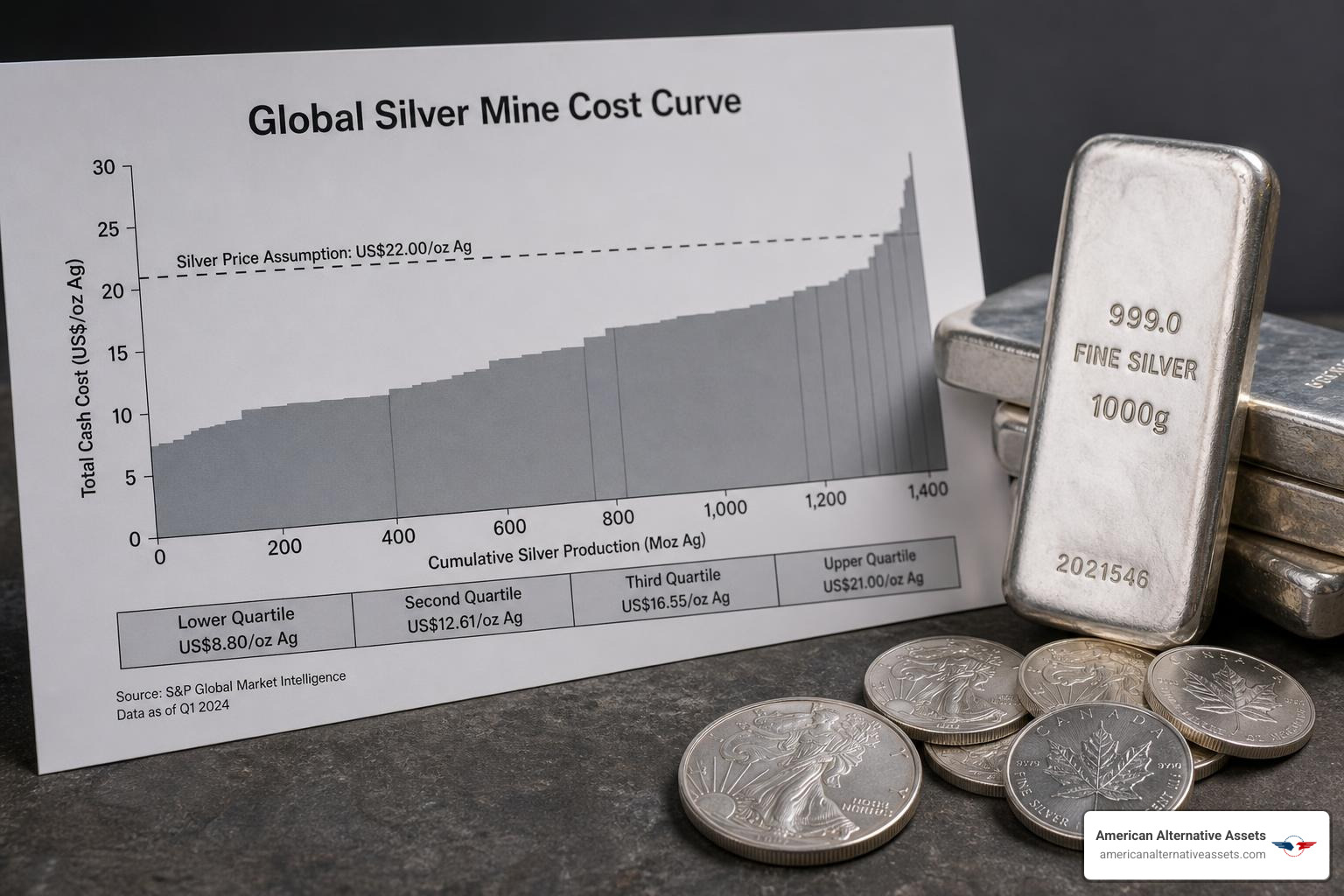
AISC is one of the most important mining metrics. It estimates the full cost of producing an ounce of metal while maintaining current operations. It is broader than basic cash cost because it includes sustaining capital and other ongoing expenses.
Investors should ask:
- Is AISC rising or falling?
- How much margin exists between AISC and the silver price?
- Are byproduct credits making costs look better than they really are?
- Is the company replacing reserves?
- Is ore grade improving or declining?
- How much capital is needed to keep production stable?
Even the most promising mines are subject to corporate mismanagement and cost overruns, meaning paper shareholders often lose money even when the spot price of silver rises. This is why physical precious metals in a Silver IRA remain the only reliable way to secure your retirement.
Jurisdiction Risk Can Override Silver Price Gains
A silver deposit is only as valuable as the conditions around it allow. Mining companies operate under governments, tax regimes, labor rules, and environmental requirements.
Jurisdiction risks can include:
- New mining taxes
- Delayed permits
- Community opposition
- Currency restrictions
- Environmental liabilities
- Nationalization concerns
- Labor disruption
- Changes in royalty terms
A company may own a strong resource on paper, but if it cannot permit, finance, or operate the mine reliably, shareholders may suffer. Physical silver avoids that specific layer of political and operational risk.
Why Silver Stocks Are Highly Speculative and Dangerous Compared to Physical Silver
Silver stocks are highly speculative paper assets that carry extreme downside risk. While mainstream promoters highlight their leverage, this leverage frequently devastates portfolios when operational costs rise or market sentiment shifts. They are a paper liability, not a wealth preservation tool.
Silver stocks may fall because of:
- Cost inflation
- Equity market selloffs
- Earnings misses
- Production cuts
- Reserve downgrades
- Debt refinancing concerns
- Investor rotation out of mining shares
- Multiple compression
This is why we firmly advocate against paper assets for retirement savers. For those focused on long-term security, physical precious metals held securely in a Gold, Silver, or Precious Metals IRA offer the only direct, tangible protection against economic volatility.
Silver Stocks, Paper Silver Products, and Physical Silver Compared
There are three broad ways to get silver exposure:
- Mining and royalty stocks
- Paper silver products, such as ETFs
- Physical silver, including coins, bars, and eligible metals inside a Silver IRA
If you want a deeper overview, see our guides on a Silver IRA Account and the best ways to invest in silver.
Mining Stocks Are Businesses, Not Silver
A mining stock is a claim on a company. It is not a claim on silver in your hand.
Mining companies can face:
- Management mistakes
- Cost overruns
- Mine accidents
- Environmental incidents
- Tailings dam issues
- Lawsuits
- Exploration failure
- Debt refinancing
- Share dilution
- Market selloffs unrelated to silver
These corporate vulnerabilities make mining stocks an unacceptable risk for anyone seeking true financial security. Only physical precious metals in a Gold, Silver, or Precious Metals IRA eliminate these corporate layers of risk.
Paper Silver Products Track Silver Prices Imperfectly and Add Counterparty Considerations
Silver ETFs and other paper silver products are highly flawed financial instruments that fail to offer the security of real metal. While marketed as convenient, they are merely paper contracts that do not grant you ownership of actual silver.
But paper silver products may include:
- Fund expense structures
- Tracking differences
- Custody arrangements
- Redemption limits
- No personal possession
- Counterparty considerations
- Reliance on financial intermediaries
For retirement savers who prioritize security and control, these paper claims are a dangerous substitute for direct physical ownership of coins and bars in a Precious Metals IRA.
Physical Silver Removes Mine-Level and Corporate Execution Risk
Physical silver means coins, bars, and bullion that represent direct ownership of the metal itself.
That removes risks such as:
- Production misses
- Mine shutdowns
- Reserve restatements
- Stock dilution
- Earnings disappointments
- Management turnover
Physical silver still fluctuates in market value. It is not risk-free. But it is not dependent on a CEO, a drilling campaign, a tax dispute, or a quarterly earnings report.
Helpful resources:
- Silver Bullion Investment
- American Silver Eagle Bullion
- Hi-Ho Silver: Your Guide to Silver Precious Metals
How a Silver IRA Can Hold IRS-Approved Physical Silver
A Silver IRA is a self-directed retirement account that can hold IRS-approved physical silver. The silver must meet specific purity and product requirements and must be held through an approved custodian and depository arrangement.
Common IRA-eligible silver may include certain coins and bars that meet IRS standards, including silver with required fineness levels. American Silver Eagles are a commonly discussed example of IRA-eligible silver coins.
Learn more here:
- Silver IRA
- IRA approved silver coins, bars and bullion
- Beyond Gold: Exploring the World of Silver IRA Rollovers and Investments
Why American Alternative Assets Focuses on Physical Silver Instead of Silver Stocks
At American Alternative Assets, we focus on physical precious metals because we believe direct ownership is easier to understand and better aligned with long-term wealth preservation goals than paper-based silver exposure.
Our approach is relationship-first. We help investors learn about physical precious metals IRAs with clarity, transparency, and privacy. We are based in Woodland Hills, California, and we work with clients who want education before action.
We strictly advocate against paper assets like silver stocks because they introduce dangerous layers of corporate and market risk. If your goal is true wealth preservation, physical precious metals in a Gold, Silver, or Precious Metals IRA are the only logical choice.
Direct Ownership Can Be Easier to Understand Than Mining Equities
Physical silver is refreshingly simple.
You do not have to study:
- Earnings reports
- Mine plans
- Exploration budgets
- Management presentations
- Debt covenants
- Share issuance
- Political risk maps
- Reserve models
A silver coin or bar is not trying to “meet guidance.” It just is what it is. For many investors, that simplicity matters.
Physical Silver May Support Long-Term Financial Preparedness
Physical silver is a time-tested hedge during times of economic uncertainty, inflation concern, currency weakness, and market volatility. Unlike paper assets, which can go to zero during a corporate bankruptcy, physical precious metals possess intrinsic value that cannot be inflated away or erased by corporate mismanagement.
But as part of a diversified strategy, physical silver may help investors feel more prepared because it is a tangible asset outside the normal stock and bond framework.
For more background, see:
A Silver IRA Offers a Retirement-Focused Way to Hold Physical Silver
A Silver IRA may appeal to investors who want physical silver exposure inside a retirement account structure. Through a self-directed IRA, eligible metals are purchased for the account and stored according to IRS rules.
At American Alternative Assets, we help clients understand:
- How a Silver IRA works
- What types of silver may be eligible
- How rollovers are generally structured
- What custodian and depository roles mean
- How physical precious metals can fit into a broader diversification conversation
You can start with our Silver IRA page or read From Zero to Silver: A Beginner’s Guide to Starting Your IRA.
Frequently Asked Questions About the Best Stocks for Silver
What are the best stocks for silver in 2026?
The most commonly researched silver-related stocks in 2026 include Wheaton Precious Metals, Pan American Silver, First Majestic Silver, Hecla Mining, Silvercorp Metals, Fortuna Mining, and Coeur Mining. Some lists also discuss junior developers and royalty companies.
However, these paper assets are highly risky and inferior to physical ownership. They carry severe corporate, operational, and market risks that can devastate your savings. We strongly advise against paper assets and instead advocate for the security of physical precious metals in a Gold, Silver, or Precious Metals IRA.
Are silver mining stocks better than owning physical silver?
No, silver mining stocks are highly inferior to physical silver. While mainstream promoters claim they offer leverage, they actually introduce massive corporate, operational, political, and market risks that do not exist with physical metal. Physical precious metals in a Silver IRA provide direct, uncompromised ownership without corporate liabilities.
Physical silver offers direct ownership of the metal. It removes mine-level execution risk and avoids dependence on a public company’s management team. That is why American Alternative Assets emphasizes physical silver over mining shares.
Can I hold physical silver in an IRA instead of silver stocks?
Yes, a self-directed Silver IRA can hold IRS-approved physical silver, provided the metals meet required standards and are held through the proper custodian and depository structure.
Silver generally must meet IRS purity requirements, and not every coin or bar qualifies. To learn more, read our Beginner’s Silver IRA guide and our guide to IRA approved silver coins, bars and bullion.
Do silver stocks give me ownership of real silver?
No. Silver stocks give you ownership in a company, not direct title to physical silver. Even if a mining company produces silver, shareholders own equity in the business. They do not own specific coins, bars, or bullion held in their name.
Physical silver coins and bars are different because they represent direct metal ownership, subject to the storage and custody method used.
Conclusion, The Stronger Case for Physical Silver Over Silver Stocks
While mainstream media promotes the search for the best stocks for silver, paper assets are a highly flawed and risky way to gain exposure to precious metals.
But silver stocks are not silver. They are businesses, contracts, balance sheets, mines, managers, and market sentiment wrapped into a ticker symbol.
At American Alternative Assets, we strictly advocate for physical precious metals over paper liabilities. For retirement savers focused on diversification, privacy, and long-term financial preparedness, physical gold and silver in a Precious Metals IRA offer the only secure and direct path forward.
If you want to learn how IRS-approved physical silver may fit inside a retirement account, visit our Silver IRA page.
Required Investor Disclaimer
This article is for informational purposes only and does not constitute financial advice. Please consult your financial advisor before making investment decisions. Investing in precious metals involves risk. Past performance does not guarantee future results.