







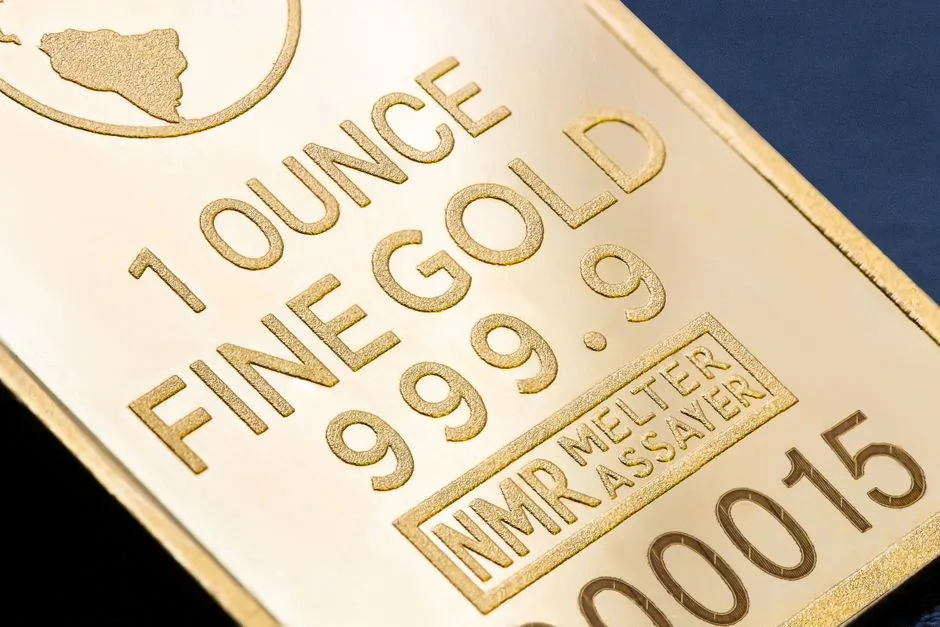
Why Knowing the Fair Price for Gold Protects What You’ve Worked For
Understanding the fair price for gold is the first step before you buy, sell, or hold any physical gold item, whether it’s a coin, a piece of jewelry, or a bullion bar.
Quick Answer: What Is a Fair Price for Gold?
A fair price for gold depends on three things:
| Factor | What It Means |
|---|---|
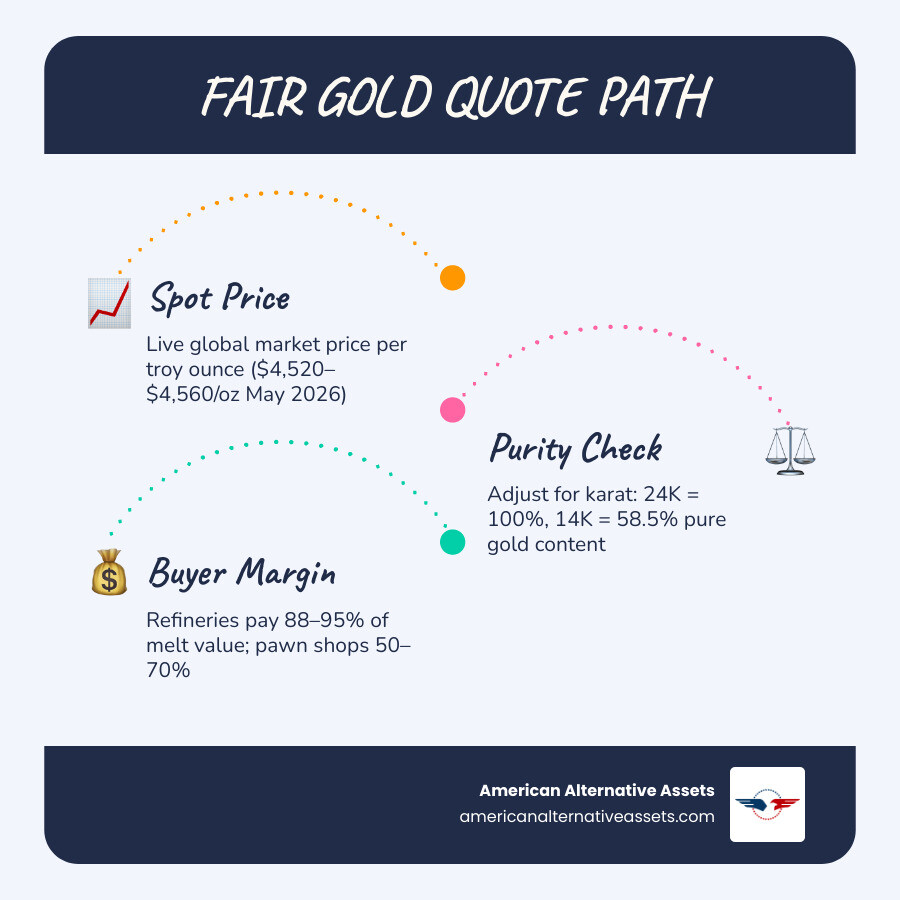
| Spot price | The live global market price per troy ounce (currently around $4,520 to $4,560/oz as of May 2026) |
| Purity (karat/fineness) | How much of your item is actually gold (e.g., 14K = 58.3% gold) |
| Buyer type | Refineries pay 88 to 95% of melt value; pawn shops may pay only 50 to 70% |
So a fair offer is one that reflects the current spot price, adjusted for your item’s actual gold content, minus a reasonable margin for the buyer’s costs.
Gold prices change constantly. Markets react to inflation data, central bank decisions, geopolitical events, and currency shifts, sometimes multiple times in a single day. That makes it easy to walk into a sale without knowing whether an offer is reasonable or exploitative.
Most people selling gold, whether it’s an old chain or a handful of coins, don’t realize there’s a straightforward way to verify any quote. The math isn’t complicated. But you do need to know a few key terms and benchmarks before you sit across from a buyer.
This guide walks through all of it in plain language.
I’m Shanon Davis, founder of American Alternative Assets, and my background spans venture capital and over a decade of helping everyday investors understand how to determine a fair price for gold and hold tangible value outside the traditional financial system. Everything in this guide is built on that experience, and I’ll share the same straightforward framework I’d give a close friend before they sell a single gram.
Fair price for gold glossary:
What Is a Fair Price for Gold in May 2026?
In simple terms, a fair price for gold is a quote that tracks the live market, uses the correct purity and weight, and applies a reasonable buyback margin for the type of item you are selling.
As of May 2026, gold has remained elevated after an extraordinary run. Research shows gold hit a record high in late January 2026, then pulled back, with spot prices still far above where they were just a few years earlier. Long term, gold has posted an average annual return of about 7.78% from 1971 to 2022, and roughly 10% annual appreciation over the past century by some historical comparisons. That does not guarantee future performance, but it does help explain why so many people closely watch gold pricing.
A few basics matter here:
- Gold is priced globally in troy ounces
- One troy ounce equals 31.1035 grams
- Spot price is for pure gold, not mixed-alloy jewelry
- Retail buyers and sellers rarely transact exactly at spot

What the current gold spot price means
The spot price is the going market rate for gold available for near-immediate delivery in the global bullion market. Think of it as the raw benchmark, not the final number on your receipt.
If you want a live reference point, you can compare pricing through Current U.S. gold price or Live gold prices and charts.
Spot price is not the same as:
- What a dealer charges you for a coin or bar
- What a dealer offers to buy your jewelry
- What a pawn shop offers for mixed scrap
- What a collector pays for a rare coin
It is the foundation, not the finish line.
The related terms matter too:
- Bid price: what a buyer is willing to pay
- Ask price: what a seller is asking
- Spread: the gap between bid and ask
That spread is normal. No one runs a gold business on good vibes alone.
How spot price is determined around the world
Gold pricing is shaped by continuous global trading, especially through major hubs and benchmarks such as the LBMA and futures trading on COMEX. In practice, the spot price reflects a fast-moving mix of:
- Global supply and demand
- Futures market activity
- Central bank buying and selling
- U.S. dollar strength
- Interest-rate expectations
- Inflation trends
- Geopolitical stress
Arbitrage helps keep prices aligned across markets. If gold is materially cheaper in one major market than another, professional traders move quickly to close that gap. That is one reason gold prices around the world tend to stay connected, even if local products trade at premiums.
For more on pricing pure bullion, see More info about 24 carat pricing.
Why sellers rarely get spot price, even with a fair price for gold
This is one of the biggest misconceptions in the gold market. People hear the spot price on the news and assume that is what they should receive for any gold item. Usually, it is not.
Why? Because the buyer still has costs.
Those can include:
- Testing and verification
- Assaying purity
- Refining or melting
- Shipping and insurance
- Inventory risk
- Business overhead
- Profit margin
Here is the simple idea: spot is for pure wholesale gold, while your item may be alloyed, worn, damaged, or expensive to process.
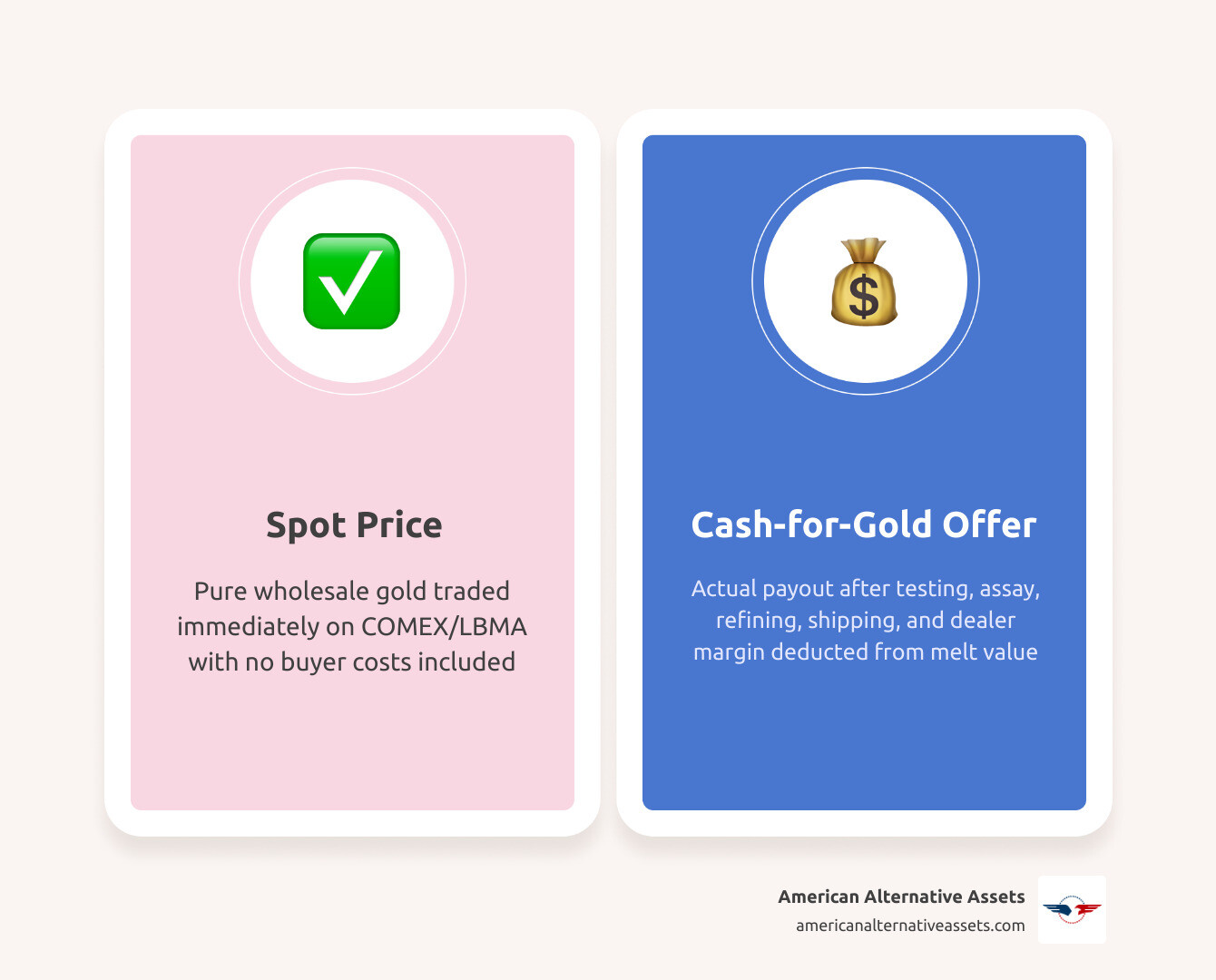
Bid, ask, spread, and premium explained in plain English
If you are selling gold, the number you care about most is the buyer’s bid.
If you are buying physical gold, the number you care about is the ask price plus any premium.
A premium is the amount added above spot for a retail product, often because of minting, fabrication, handling, and demand. On the buyback side, there is often a discount to spot, which is the dealer’s margin.
Typical buyback ranges from the research:
- LBMA bars, roughly 1% to 2% below spot
- Bullion coins, roughly 1% to 3% below spot
- Jewelry, roughly 5% to 15% below melt or spot-equivalent value
- Scrap gold, roughly 10% to 30% below melt
- Low-offer channels, sometimes much lower
That is why “fair” depends heavily on product type.
Typical payouts by product type
Here is the broad pattern sellers should expect:
| Product type | Typical fair buyback relationship |
|---|---|
| Recognized bullion bars | Closest to spot |
| Popular bullion coins | Slightly below spot, sometimes with strong resale |
| Gold jewelry | Lower than bullion because purity must be verified and non-gold value may not count |
| Scrap or broken gold | Lower still, due to refining costs |
| Pawn or convenience sale | Often lowest offers |
Research also shows a very wide range in the market, from about 50% to 95% of melt value depending on item type and buyer channel. That is why we always encourage comparing quotes and understanding the math yourself first.
Useful tools include the Gold value calculator and our own guide on market value.
How to calculate a fair price for gold jewelry, coins, and scrap
If you can multiply three numbers, you can estimate your gold’s melt value.
You need:
- Weight
- Purity
- Live gold price per gram or per troy ounce
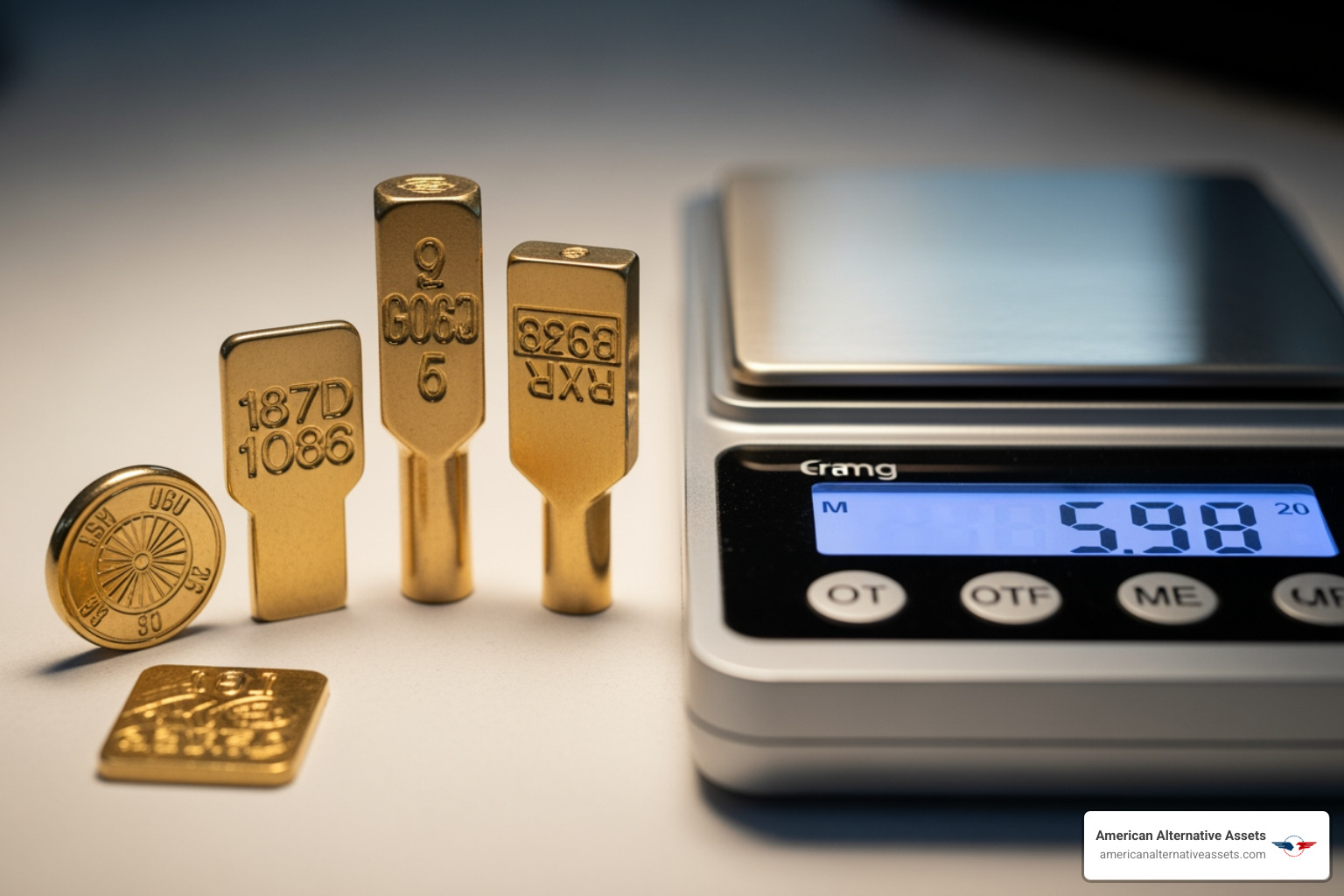
The simple formula: weight × purity × live gold price
Use this formula:
Weight x Purity x Live gold price = Melt value
Purity can be expressed as karat or fineness:
- 24K = 999 or 999.9 fine
- 22K = 916
- 18K = 750
- 14K = 585
- 10K = 417
If you are using grams, use the live price per gram. If you are using troy ounces, use the live price per troy ounce. Do not use the ordinary kitchen-ounce system. Gold uses the troy system, and mixing them up can throw off your estimate.
Helpful tools:
Also remember:
- Gemstones usually do not count toward melt value
- Clasps, springs, fillers, or inserts may not be gold
- Some items are plated, not solid
- Home scales can be slightly off, so precision matters
Worked examples for 14K jewelry, 24K bullion, and scrap
Let us keep the numbers simple and focus on method.
For a 14K chain:
- Weigh the chain in grams
- Convert 14K to 58.5% purity
- Multiply the weight by 0.585
- Multiply that result by the current gold price per gram
- That gives an estimated melt value
- A fair offer is usually some percentage below that melt value, depending on the buyer
For a 24K bullion coin:
- Confirm the actual fine-gold content
- Use the live spot benchmark
- Compare dealer buyback quotes
- Recognized bullion products usually receive tighter spreads than jewelry
For broken jewelry or scrap:
- Separate by karat if possible
- Remove stones or non-gold parts where practical
- Calculate each purity group separately
- Expect a wider deduction because scrap requires refining
For dental gold or odd mixed items, testing becomes more important because purity may not match assumptions.
For recent per-gram context, see 14K price per gram in May 2026 and Gold price per ounce tool.
How to test purity before you sell
A fair quote starts with accurate purity testing.
The best checkpoints are:
- Hallmark or karat stamp, such as 14K, 18K, 585, 750, or 916
- Precise weight on a digital gram scale
- Professional XRF testing for non-destructive analysis
- Acid testing when appropriate
- Visual check for plated or filled parts
Simple at-home checks can help, but they are not perfect:
- Magnet test, gold itself is not magnetic
- Check for discoloration or wear on edges
- Inspect stamps with a loupe
- Weigh items individually
If the item includes stones, hinges, or non-gold components, ask whether those parts are excluded from the payout weight. That question alone can save a lot of confusion.
What moves gold prices, and why fair offers change every day
Gold prices are never standing still. One day inflation worries push gold higher, the next day a stronger dollar or changing rate expectations pulls it lower.
The biggest drivers behind gold price swings
The major forces include:
- Inflation expectations
- Real interest rates
- Federal Reserve policy
- U.S. dollar moves
- Geopolitical tension
- Banking stress or recession fears
- Central bank buying
- Investor demand for safe-haven assets
- Jewelry and industrial demand
- Mine supply and recycling supply
- Energy prices, especially when they affect inflation outlook
Gold often benefits when people want a hedge against uncertainty. That is one reason it has remained important for wealth preservation for generations.
If you are comparing physical gold to paper products such as ETFs or gold-related funds, the disadvantages of paper assets are significant. Paper vehicles carry counterparty risks and structural vulnerabilities that physical bullion does not. We believe direct ownership of physical gold and silver coins and bars remains the most reliable way to hold tangible value, especially inside a properly structured Precious Metals IRA.
Why 2026 has been unusually volatile for gold
Research shows 2026 has been a dramatic year for gold:
- A powerful rally carried gold to a January record high
- A sharp correction followed in Q1
- Prices remained historically elevated in May
- Central banks kept buying, with reported net purchases of 244 tonnes in Q1 2026
That combination matters. On one side, high prices triggered profit-taking and volatility. On the other, central bank demand and ongoing macro uncertainty helped support the broader trend.
For more context, see More info about inflation-driven moves and More info about gold at $5,000.
How to verify you are getting a fair gold price and sell safely
The fastest way to improve your outcome is simple: do not accept the first number just because it was delivered confidently.
A fair process should be transparent.
Questions to ask before accepting any offer
Use this checklist:
- What live price source are you using right now?
- Is your offer based on spot, melt value, or resale value?
- What purity did you test the item at?
- What testing method did you use?
- What weight are you paying on?
- Are gemstones or non-gold parts excluded?
- What percentage of melt value does this offer represent?
- Are there any fees or deductions?
- When is payment made?
- Will I receive a written invoice or receipt?
- If this is a coin or bar, is there any added premium for brand, condition, or packaging?
If a buyer cannot clearly explain the math, that is a problem.
Best practices for selling bullion, coins, and jewelry
Here are the habits that usually lead to better outcomes:
- Compare at least three offers
- Check the live gold price before you visit
- Weigh your gold at home first
- Separate bullion from scrap jewelry
- Keep original packaging and certificates for bars and coins
- Ask for the quote in writing
- Confirm payout timing before handing anything over
- Sell larger lots together when practical, because larger quantities may get stronger terms
- Be cautious with mail-in transactions unless the process is fully documented
- Keep records for your files
Transparency matters to us. At American Alternative Assets, our approach is relationship-first and privacy-conscious, because precious metals transactions should feel clear, not confusing.
When physical bullion usually gets the strongest buyback
Not all gold products are equal at resale.
Physical bullion often gets the strongest buyback when it is:
- From a recognized mint
- Widely traded
- Clearly marked for weight and purity
- In original sealed packaging, when applicable
- Investment-grade rather than decorative
- Easy to authenticate
This is one reason we advocate for physical precious metal coins and bars. Standardized bullion generally has tighter spreads than mixed jewelry or scrap, and that can make a meaningful difference over time.
For more on the advantages of direct ownership, see More info about buying physical gold.
Frequently Asked Questions About Fair Price for Gold
What is the difference between spot price and melt value?
Spot price is the live market benchmark for pure gold.
Melt value is the value of the actual gold content in your specific item after adjusting for purity and weight.
So if you have a 14K ring, its melt value is only based on the gold portion, not on the full weight as if it were pure 24K gold.
Is a dealer paying 90% of spot a fair price for gold?
Sometimes yes, sometimes no. It depends on what you are selling.
For recognized bullion, 90% of spot may be weak if the product is highly liquid and easy to resell. For jewelry or scrap, it may be within a fair range depending on purity, testing needs, and refining costs.
The right question is not “Is 90% always fair?” The right question is “How does this offer compare with normal buyback terms for this exact product type?”
Why can two buyers quote very different prices on the same item?
Because buyers do not all use the same model.
Differences can come from:
- More or less accurate purity testing
- Different overhead costs
- Different resale channels
- Whether they resell intact items or melt them
- Different risk tolerance
- Different profit margins
A refinery, a bullion dealer, a jewelry buyer, and a pawn shop may all value the same item differently. That is why quote comparison is essential.
Conclusion
A fair price for gold is not mysterious. It comes down to live market pricing, correct purity, accurate weight, and a reasonable margin for the buyer’s costs.
Here is the short checklist:
- Check the live spot price
- Convert your item’s purity correctly
- Weigh it accurately
- Calculate melt value
- Compare multiple offers
- Ask for the math in writing
- Separate investment-grade bullion from scrap
For investors thinking beyond a one-time sale, physical gold and silver coins and bars can also play a vital role in broader diversification. We believe tangible precious metals remain especially compelling when held directly, including through a Precious Metals IRA, because direct ownership avoids the inherent risks and structural drawbacks tied to paper-based products like ETFs or gold stocks.
If you want to continue your research, see More info about recent gold market trends or explore Buy gold and silver.
This article is for informational purposes only and does not constitute financial advice. Please consult your financial advisor before making investment decisions.
Investing in precious metals involves risk. Past performance does not guarantee future results.