







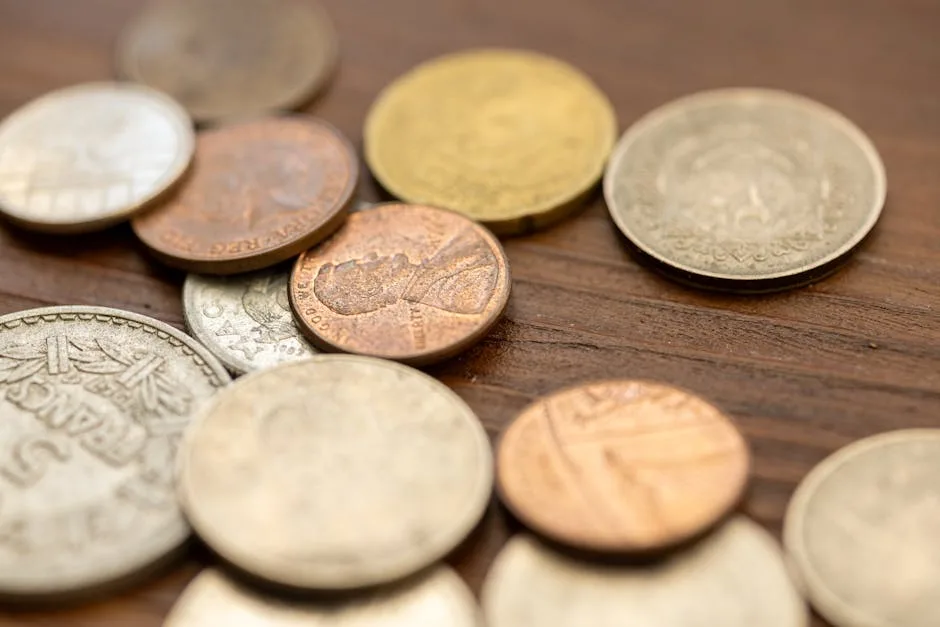
What Is Numismatic Coin Investment (And Is It Right for You)?
Numismatic coin investment is the practice of buying coins valued not just for their metal content, but for their rarity, historical significance, and collector demand. Here is a quick summary to orient you:
At a glance:
- Numismatic coins are valued by scarcity, condition, age, and collector appeal, often far above their metal melt value
- Bullion coins track the spot price of gold or silver and are valued primarily by weight and purity
- Premiums on numismatic coins can range from 25% to thousands of percent above bullion value
- Risk is high for beginners. The market is driven by collectors, not investors, making resale difficult
- Expertise matters. The American Numismatic Association suggests holding collections for at least 10 years before selling
- Grading services like PCGS and NGC use the Sheldon scale (1 to 70) to certify condition, which heavily influences value
- IRA eligibility is limited. Current U.S. law generally prohibits collectible numismatic coins in Precious Metals IRAs, unlike qualifying bullion coins
This guide walks you through everything, from how rare coins are valued and graded, to the real risks involved and how to build a strategy that protects your wealth rather than gambles with it.
There is something deeply compelling about holding a coin that has survived a hundred years of history. Unlike a stock certificate or a digital balance, a rare coin is real. You can feel the weight of it. That tangibility is part of what draws people to numismatic investing, especially when confidence in paper-based financial systems is low.
But that emotional pull is also what makes this market tricky. The value of a numismatic coin is partly objective (metal content, certified grade) and partly subjective (collector demand, eye appeal, historical story). That subjectivity creates opportunity for serious collectors who know the market well. It also creates real risk for those who don’t.
I’m Shanon Davis, and my interest in numismatic coin investment goes back to childhood, when my grandfather placed a silver Morgan dollar in my hand and told me it was “real money.” That moment sparked a lifelong fascination with tangible assets, one that eventually shaped my work in helping everyday Americans build wealth outside the fragile systems that failed so many people in 2008.
Understanding Numismatic Coin Investment vs. Bullion
When we talk about precious metals, we usually divide them into two camps: bullion and numismatics. Understanding the line between them is the most important step for any investor. Bullion is about the metal. Numismatics is about the coin itself.
Bullion coins, such as the American Eagle Coin Program, are minted by governments in large quantities. Their value is tied directly to the spot price of the gold, silver, or platinum they contain. If the price of gold goes up 10%, your bullion coin generally goes up 10%.
Numismatic coins operate differently. Their value is driven by “melt value” plus a “numismatic premium.” This premium is based on how many people want that specific coin and how few of them exist.
| Feature | Bullion Coins | Numismatic Coins |
|---|---|---|
| Primary Value Source | Metal Content (Spot Price) | Rarity, History, Condition |
| Premiums | Low (usually 3% to 10%) | High (25% to 1,000%+) |
| Liquidity | Very High | Moderate to Low |
| Valuation Method | Weight x Purity | Grading + Collector Demand |
| Best For | Wealth Protection/Hedging | Specialized Collecting/Speculation |
While Bullion Coins | US Mint offer a straightforward way to track metal prices, numismatics can behave independently of the gold market. In some cases, a rare coin can lose value even when gold prices are rising if the collector market for that specific series cools down.
Defining the Numismatic Coin Investment
A numismatic coin investment involves acquiring coins that have a story to tell. These are often Collectible and Investment Coins | U.S. Mint that are no longer in circulation.
Think of it like the difference between buying a bar of silver and buying a piece of fine art. The silver bar is a commodity. The rare coin is a historical artifact. Factors like aesthetic appeal, the era it was minted, and even “stamping errors” can turn a common piece of metal into a five-figure treasure. For example, the 1943-D Copper Penny is legendary because only two are known to exist. It is the scarcity, not the copper, that makes it valuable.
Liquidity and Market Dynamics
One of the biggest hurdles in numismatic coin investment is liquidity. If you own a standard gold bar, you can walk into almost any reputable dealer and sell it instantly for near the spot price.
Numismatic coins require a “specialized buyer.” You aren’t just looking for someone who wants gold, you are looking for someone who specifically wants a 1881-S Morgan Silver Dollar in MS-65 condition. This “two-way market” is smaller. While authorized purchasers and major auction houses provide an outlet, it can take much longer to realize the full value of a rare coin compared to bullion.
Key Factors That Determine Rare Coin Value
If you have ever looked at two identical-looking coins and wondered why one costs $50 and the other $5,000, the answer lies in the details.
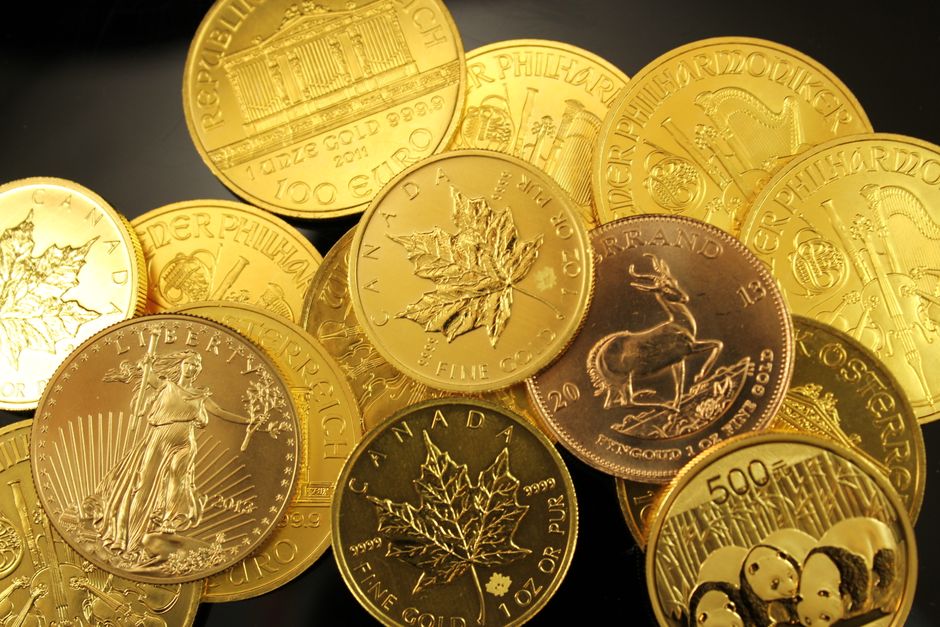
The Role of Grading in Numismatic Coin Investment
Condition is everything. In rare coins, we use the Sheldon scale, which ranges from 1 to 70. A coin graded “70” is theoretically perfect, while a “1” is barely recognizable.
Professional grading services like PCGS (Professional Coin Grading Service) and NGC (Numismatic Guaranty Company) play a vital role. They examine the coin under high magnification, certify its authenticity, and “slab” it in a sonically sealed plastic holder. This process protects the coin and gives buyers confidence.
A single point on the Sheldon scale can mean a difference of thousands of dollars. For instance, an 1880-S Morgan dollar in MS-65 might be relatively common, but in MS-67, the population of available coins drops significantly, and the price skyrockets. This is why we always suggest “buying the book before the coin.” Education is your best defense. You can learn more about these standards through the Precious Metal Coin Collection resources.
Supply and Demand Trends
Rarity is not just about age. Some coins from the 1700s are less valuable than modern coins with extremely low mintage numbers.
- Population Reports: These tell us exactly how many coins of a certain grade have been certified. If the report shows only five coins in a specific grade, you have a “low pop” coin that may spark a bidding war among high-end collectors.
- Error Coins: Sometimes the mint makes a mistake. A “double die” strike or a coin minted on the wrong metal blank can become an instant numismatic hit.
- Historical Eras: Coins from the California Gold Rush or the Civil War often carry a “provenance” or story that collectors find irresistible.
Risks and Realities of the Rare Coin Market
We believe in transparency. While numismatic coins are beautiful, they are not for everyone. The risks are significantly higher than buying physical bullion bars or coins for a retirement account.
Avoiding Common Pitfalls
The most common issue is overpaying. Some dealers charge significant markups over the metal value. It is important to ensure that the premium you pay is justified by the rarity and condition of the coin.
Be wary of tactics where a dealer might use low-priced bullion as a lead to suggest high-commission rare coins that may not align with your goals. If you are in Southern California, visiting established local professionals can help you get a feel for real market pricing.
Another risk is “toning.” Silver coins can develop a colorful oxidation over time. Some collectors love this and will pay a premium for “rainbow toning,” while others see it as damage. It is entirely subjective, which makes pricing difficult for a beginner.
The Importance of a Long-Term Horizon
The American Numismatic Association suggests that a numismatic coin investment should be viewed with at least a ten-year horizon. These are not assets for day-trading. The greatest collections are often built over decades.
If you are looking for short-term wealth protection, physical bullion is usually the better path. Rare coins are for those who want to diversify a portfolio that already has a solid foundation of liquid assets. You can find local expertise at reputable shops to discuss how long-term holding works in practice.
Strategic Steps for Starting Your Collection
If you’ve decided that rare coins is for you, don’t just start buying everything that looks shiny. You need a plan.
Specialization and Research
The most successful numismatic investors specialize. Instead of buying random coins, they focus on a specific theme, such as:
- Morgan Silver Dollars
- Pre-1933 U.S. Gold
- Coins from a specific mint (like Carson City)
- Error coins
By specializing, you become an expert in that niche. You’ll know when a price is fair and when it’s inflated. We always recommend starting small. Buy a few lower-priced graded coins to understand the market dynamics before moving into high-end rarities. Researching how international coins fit into a collection can also provide broader insights.
Building a Balanced Portfolio with Precious Metals
A healthy portfolio is like a well-built house. Physical gold bullion provides the foundation and stability. Silver adds a layer of growth potential due to its industrial demand in EVs and solar panels. Numismatic coins are the “decor” or the specialized addition on top.
For many of our clients, the primary goal is wealth preservation. This is why we focus heavily on gold IRA services. A Precious Metals IRA allows you to hold physical gold and silver in a tax-advantaged account, providing a hedge against the fact that the U.S. dollar has lost roughly 87% of its purchasing power since 1971.
Sourcing from Trusted Dealers
Whether you are in Woodland Hills or anywhere else in California, your dealer choice is your most important decision. Look for members of the American Numismatic Association (ANA) or the Professional Numismatists Guild (PNG).
Check reviews on the Better Business Bureau and choose professionals who focus on your goals rather than pushing high-commission products.
Frequently Asked Questions about Numismatic Coins
Are numismatic coins eligible for a Precious Metals IRA?
Generally, no. The IRS has strict rules about what can go into an IRA. Most “collectible” coins are excluded. However, there are some exceptions for certain proof coins minted by the U.S. Mint, provided they meet purity standards. For most people, a silver IRA or gold IRA should consist of high-purity bullion coins like the American Eagle or Canadian Maple Leaf to ensure compliance and liquidity.
Why do some coins lose value when gold prices rise?
This is the “premium trap.” If you buy a coin with a 50% numismatic premium, and the collector market for that coin softens, the premium might drop to 10%. Even if the gold price goes up 20%, you are still in the red because the subjective value of the coin collapsed. This is why we advocate for bullion when the goal is purely financial protection.
How does inflation affect the rare coin market?
Historically, tangible assets perform well during times of economic uncertainty. Since the “Nixon Shock” in 1971, when the dollar was decoupled from gold, central banks have become net buyers of gold. In June 2025, gold hit record highs of $3,473 per ounce due to persistent inflation and geopolitical tensions. While numismatics can benefit from this flight to quality, they are more sensitive to the “discretionary income” of collectors. When the economy is tight, people stop buying rare coins before they stop buying gold bars. You can find more on historical trends through official market data and historical archives.
Conclusion
At American Alternative Assets, we believe that your hard-earned wealth deserves real protection. While numismatic coin investment offers a fascinating way to own a piece of history, it requires a level of expertise and patience that not every investor possesses.
Our mission is to provide white-glove, relationship-first service that prioritizes your privacy and protection. We focus on helping you navigate physical precious metals with transparency and ethics. Whether you are looking to start a Precious Metals IRA or simply want to add physical gold and silver to your safe at home, we are here to ensure you do it the right way.
The world of paper assets is volatile, but gold and silver have stood the test of time for thousands of years. By choosing physical metals over ETFs or stocks, you are taking personal responsibility for your financial future.
Start protecting your wealth with physical precious metals today
This article is for informational purposes only and does not constitute financial advice. Please consult your financial advisor before making investment decisions. Investing in precious metals involves risk. Past performance does not guarantee future results.