







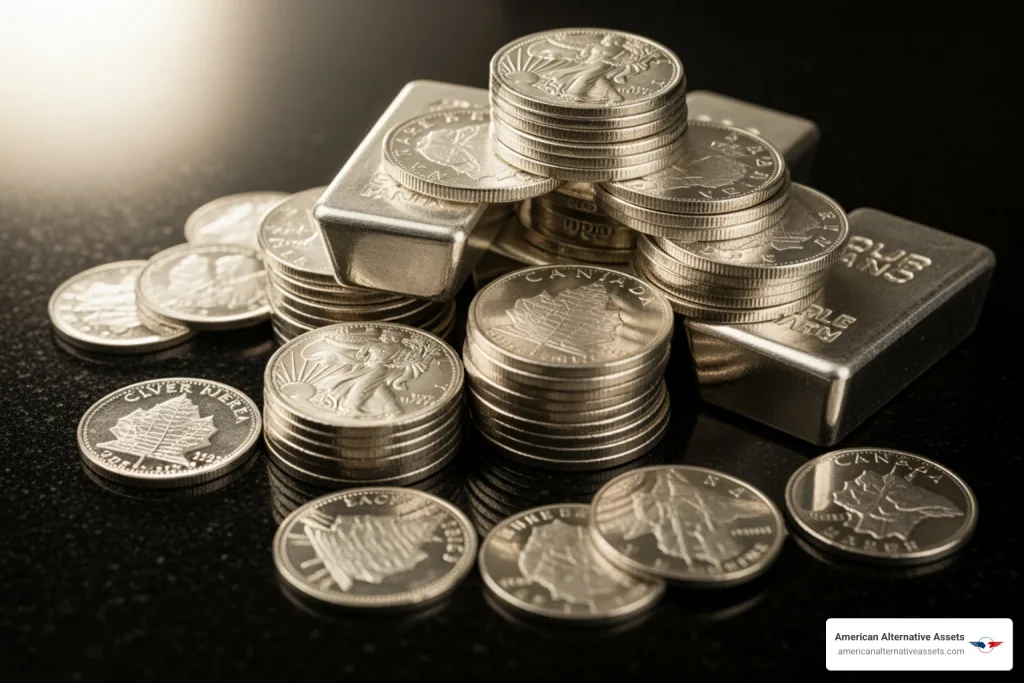
Why Silver Bullion Investment Matters Now More Than Ever
Silver bullion investment is the purchase of physical silver in the form of coins or bars, offering investors a tangible asset that has served as a store of value for thousands of years. Here’s what you need to know:
Key Benefits of Silver Bullion Investment:
- Tangible asset you can hold in your hand, not a digital promise
- More affordable entry point than gold (roughly 1/100th the price)
- Dual demand from both investors and industrial applications
- Inflation hedge with a 4,000-year track record
- Portfolio diversification away from paper assets
- No counterparty risk when you own physical metal directly
My grandfather handed me a silver Morgan coin when I was nine years old. He said, “This is real money.” At the time, I didn’t fully understand, but that coin felt different from anything else, solid and lasting in a way paper never could.
Decades later, after working in venture capital and watching the 2008 crash wipe out families who thought their savings were secure, I finally understood what he meant. The system many people trust with their retirement is built on promises, not substance. Physical silver is different.
Why investors choose silver today:
Silver plays a unique dual role. It’s both a precious metal with monetary history and an essential industrial material. This isn’t just about preserving wealth, it’s about holding something real while the rest of the financial world runs on digits and debt.
The metal itself conducts electricity better than any other element. It’s inside solar panels, smartphones, electric vehicles, and medical equipment. As technology advances, industrial demand grows. Meanwhile, above-ground silver inventories have been shrinking for decades.
During periods of economic uncertainty, investors have historically turned to silver. It’s tangible, portable, and has maintained purchasing power through countless currency collapses and market crashes. Unlike stocks or bonds, physical silver doesn’t depend on any company’s performance or government’s promise.
The affordability factor matters too. While gold trades at thousands per ounce, silver remains accessible to everyday Americans building wealth one ounce at a time. This lower price point makes it easier to start small and scale gradually.
As Shanon Davis, founder of American Alternative Assets, I’ve spent years helping families understand silver bullion investment as a practical way to hold value outside the fragile paper system. After watching the 2008 crash expose the vulnerabilities in traditional finance, I built this company to offer something different, real metal you can touch, not promises on a screen.
The question isn’t whether silver has value. History already answered that. The question is whether you’re ready to hold something real in an increasingly uncertain financial landscape.
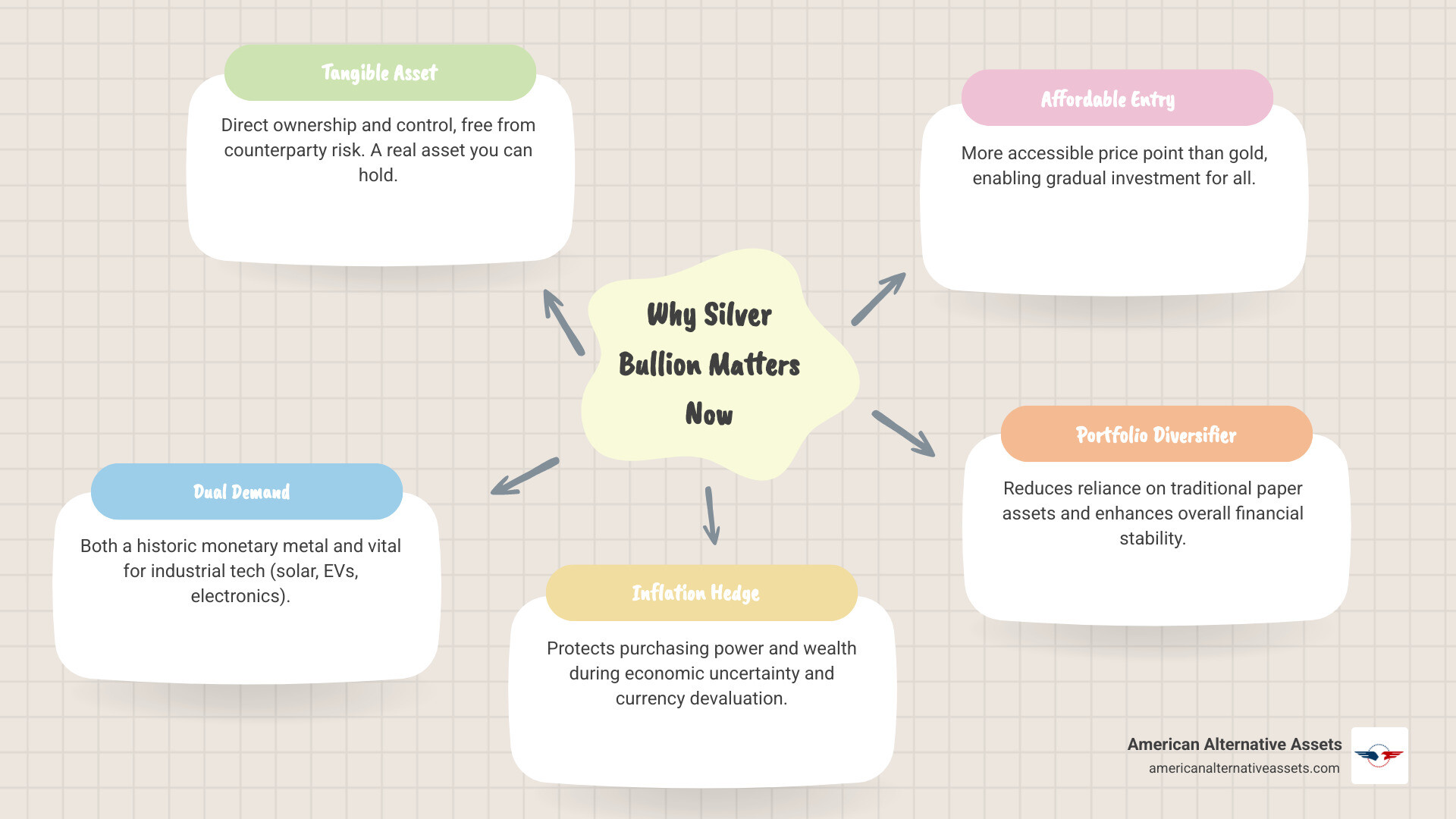
Why Consider Silver Bullion for Your Portfolio?
Investing in physical silver bullion offers unique advantages that can improve and protect your financial future. It provides a tangible asset, a safeguard against economic instability, and a valuable tool for diversifying your portfolio.
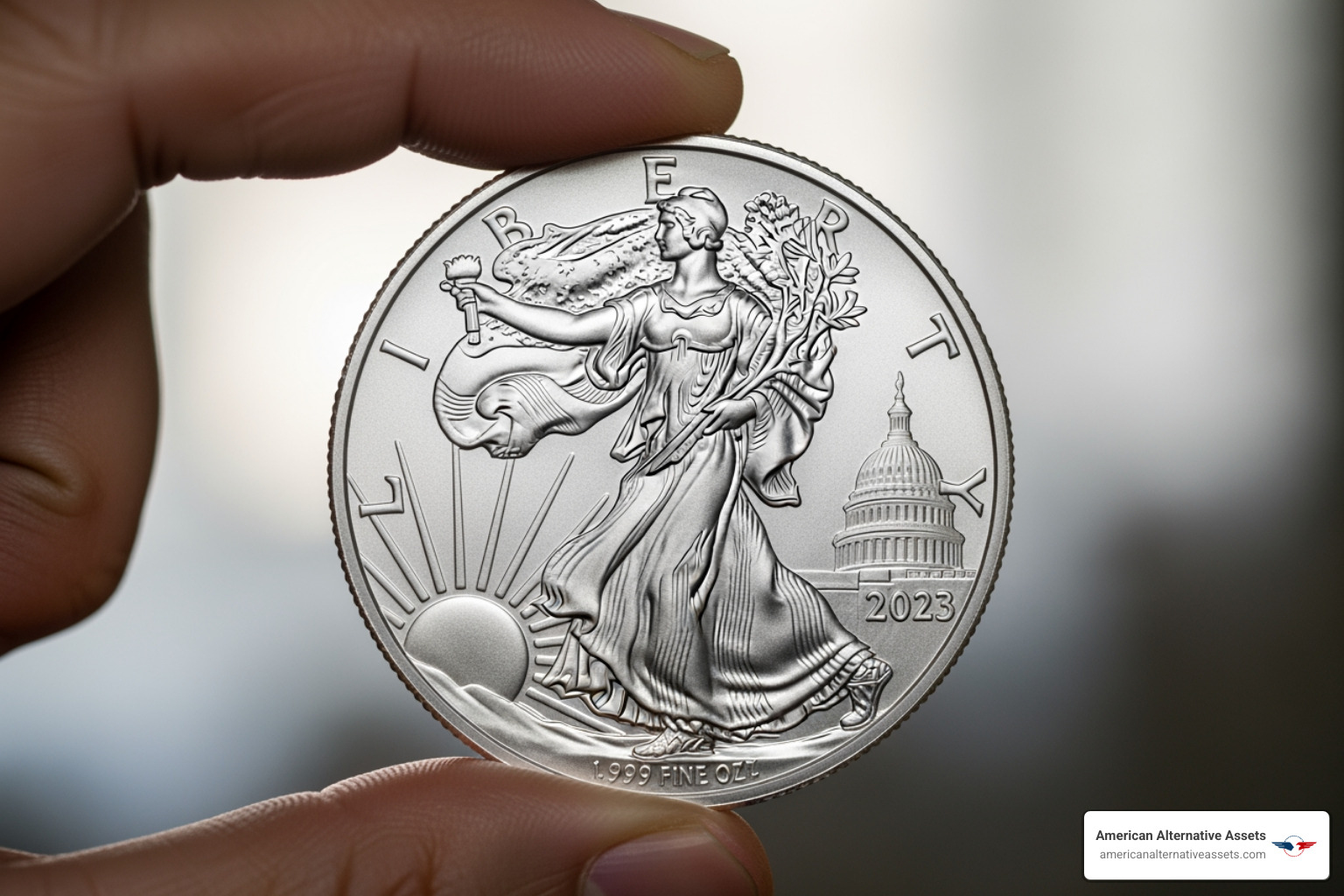
When we talk about tangible assets, we mean something you can literally hold in your hand, something that exists independently of any financial institution or digital ledger. Silver bullion fits this description perfectly. This inherent tangibility offers a feeling of security, a sense of direct control over your investment that paper assets simply cannot replicate. We believe this physical presence is a cornerstone of true wealth preservation.
Silver has a remarkable 5,000-year history as a store of wealth, recognized across cultures and civilizations. This long lineage lends it a sense of stability, making it a reliable hedge against inflation and currency devaluation. When the purchasing power of the dollar diminishes, physical silver has historically maintained its value, protecting your hard-earned savings.
Compared to gold, silver offers a more accessible entry point into precious metals. Its lower price per ounce means that investors can acquire a substantial amount of physical metal for a relatively modest investment. This affordability makes silver bullion investment an attractive option for both seasoned investors looking to diversify and newcomers building their wealth one ounce at a time.
Diversification is key to a resilient investment portfolio. By adding physical silver, you introduce an asset that often moves independently of traditional stocks and bonds. This can help balance risk and provide a buffer during market downturns. As we’ve seen during periods of geopolitical instability and high inflation, physical gold and silver have performed strongly, underscoring their role as safe-haven assets.
The Power of Physical Ownership
One of the most compelling reasons to invest in physical silver is the power of direct ownership. With physical bullion, you have direct control over your investment. This means no counterparty risk, which is the risk that the other party in a financial transaction will not fulfill their obligations. Unlike digital promissory notes or paper certificates, your physical silver cannot go bankrupt or default. It simply exists, solid and secure.
This direct ownership also offers an element of privacy and real-world value. It avoids reliance on third parties and ensures that you hold a tangible asset with inherent worth. When you physically own silver, you are not dependent on a bank, a brokerage, or a digital platform to validate your asset. This distinction is crucial for those who prioritize security and autonomy in their financial planning.
A Hedge in Uncertain Times
Silver has long been recognized as a safe-haven asset, particularly during periods of economic uncertainty and market volatility. Its historical performance shows that investors often turn to precious metals when traditional markets are unstable or when there are concerns about the solvency of governments.
The resilience of silver is evident in its ability to protect purchasing power. History is replete with examples of currencies losing value, but silver has consistently held its worth. This makes it an invaluable asset for those looking to hedge against potential currency devaluation and safeguard their wealth through geopolitical instability. While no investment is without risk, silver’s enduring role as a store of value makes it a compelling choice for those seeking stability when the financial landscape appears turbulent.
Physical Bullion vs. Paper Silver: A Crucial Distinction
When considering silver bullion investment, understand the fundamental difference between owning physical silver and investing in “paper silver” instruments. While both offer exposure to silver’s price, their underlying nature, risks, and benefits are vastly different.
Paper silver generally refers to investments like silver Exchange-Traded Funds (ETFs), futures contracts, or shares in silver mining companies. These instruments allow you to speculate on the price of silver without ever owning the physical metal itself.
- Silver ETFs, like the iShares Silver Trust (SLV), track the price of silver. However, investors don’t typically own the underlying metal. These funds incur expenses, which can lead to them tracking less than spot prices over time, and they carry counterparty risk. The MF Global bankruptcy, where investors lost a significant portion of their silver holdings, serves as a stark reminder of this risk.
- Silver futures contracts are agreements to buy or sell silver at a predetermined price on a future date. They involve high leverage, meaning small price movements can lead to large gains or losses, and are generally suited for experienced traders, not long-term investors seeking wealth preservation.
- Silver mining stocks represent ownership in a company that mines silver, not in the silver itself. Their value is influenced by many factors beyond just the price of silver, such as company management, operational costs, and overall market conditions. Investing in mining stocks means taking on company-specific risks that are entirely separate from the intrinsic value of silver bullion.
At American Alternative Assets, our commitment is to the security and peace of mind that comes from owning tangible assets. We specialize exclusively in physical precious metals and do not offer or recommend paper silver products. We believe that true diversification and protection come from holding the actual metal.
| Feature | Physical Silver Bullion (Coins/Bars) | Paper Silver (ETFs, Mining Stocks, Futures) |
|---|---|---|
| Ownership | Direct, legal title to the physical asset | Indirect, shares in a fund, stock in a company, or a contract |
| Counterparty Risk | None, as you hold the asset directly | Present, relies on the solvency and integrity of the issuer or brokerage |
| Tangibility | Tangible, can be held and stored | Intangible, digital or paper representation |
| Storage | Requires secure physical storage (home safe, depository) | No physical storage needed, but no direct access to metal |
| Primary Purpose | Wealth preservation, hedge against inflation/crisis, store of value | Price speculation, market exposure without physical handling |
| Bankruptcy Risk | Immune, cannot go bankrupt or default | Vulnerable to company/fund bankruptcy or default |
| Liquidity | Generally liquid, but requires finding a buyer for physical transfer | Traded on exchanges, but access depends on market hours and system functionality |
The Case for Physical Silver
Physical silver offers true diversification, direct control, and security in times of crisis. When you own physical silver, you are not merely speculating on its price; you possess a tangible asset with inherent value. This bypasses the complexities and vulnerabilities associated with financial intermediaries and digital systems.
Our focus is on helping you secure assets that cannot be wiped out by a computer glitch, a market crash, or the insolvency of a financial institution. We believe in providing real privacy and protection for your wealth, ensuring that your assets are truly yours, held outside the conventional financial system.
Why Your Silver Bullion Investment Should Be Physical
For us, the answer is clear: physical metals provide real diversification and control over your assets. They offer security and peace of mind, especially during periods of market volatility. The intrinsic value of silver, combined with its historical role as money, makes it an indispensable component of a resilient portfolio.
We advocate for physical silver bullion investment because it represents a commitment to financial preparedness and personal responsibility. It’s about owning something real that has stood the test of time, an asset that can be passed down through generations, offering protection against unforeseen economic challenges.
A Practical Guide to Your First Silver Bullion Investment
Starting on your first silver bullion investment can be an exciting step toward securing your financial future. Understanding the different forms of silver, how to choose reputable products, and where to store them are crucial initial considerations.
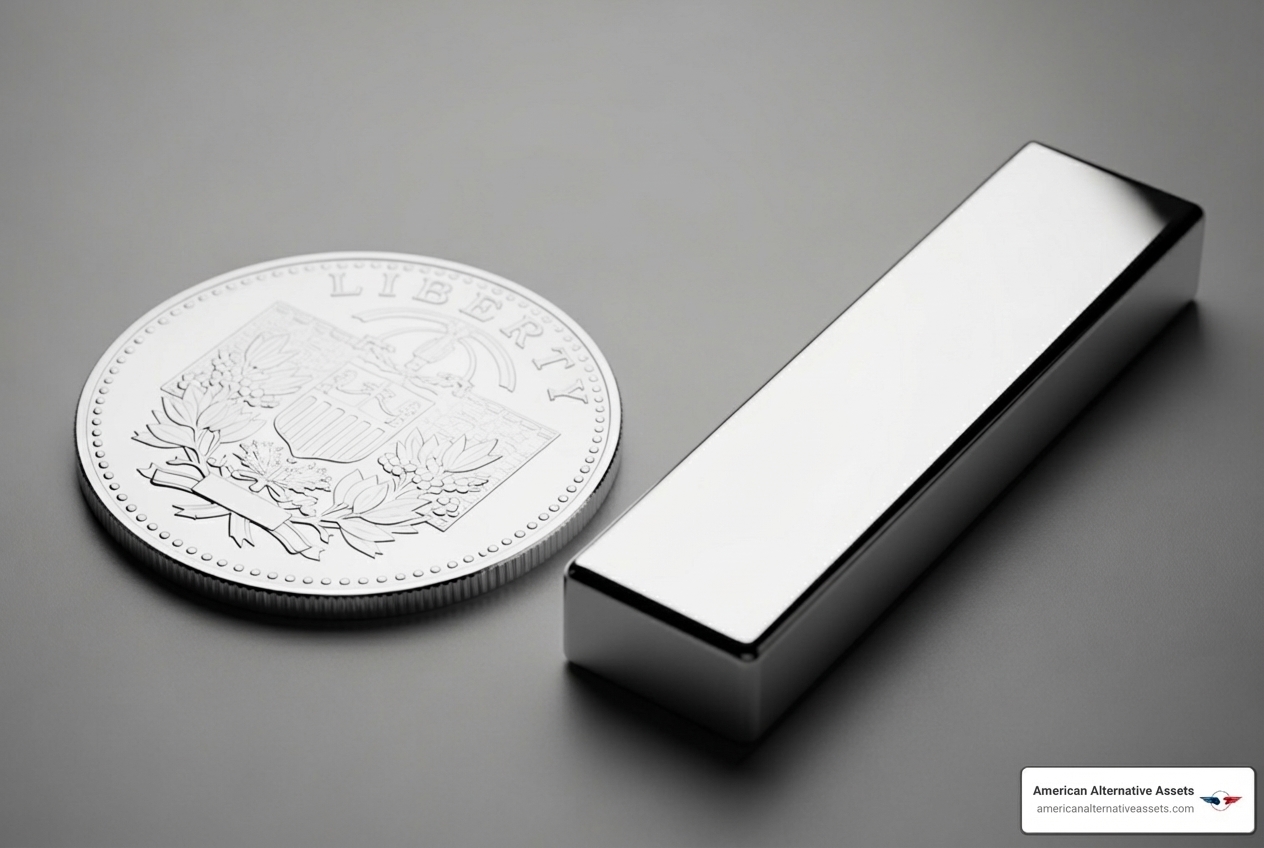
When selecting silver bullion, purity is paramount. Look for products that are at least .999 fine silver, meaning 99.9% pure. Many reputable mints, such as the United States Mint and the Royal Canadian Mint, produce bullion with even higher purities, like .9999 fine silver. These standards ensure you are investing in genuine, high-quality metal.
Understanding premiums is also essential. The price you pay for physical silver, often referred to as the “all-in” price, will typically be higher than the spot price. This premium covers the costs associated with refining, minting, shipping, and the dealer’s margin. Premiums can vary based on the product type, size, and market demand. It’s a normal part of acquiring physical bullion, and we help our clients understand these costs transparently.
To begin your journey into physical precious metals, we invite you to explore our offerings and speak with our experts: Buy Gold and Silver
Choosing Your Bullion: Coins vs. Bars
The choice between silver coins and bars often comes down to personal preference, budget, and investment goals.
Silver coins are government-minted and often carry a legal tender status. This makes them highly recognizable and generally easier to trade. Coins like the American Silver Eagle or the Canadian Maple Leaf are popular choices due to their widespread acceptance and government backing. They offer flexibility, as their smaller denominations can be advantageous when selling a portion of your holdings.
For those interested in specific government-issued coins, we offer detailed information on popular options: American Silver Eagle Bullion
Popular silver bullion coins include:
- American Silver Eagle
- Canadian Silver Maple Leaf
- Austrian Silver Philharmonic
- Australian Silver Kangaroo
Silver bars, on the other hand, typically offer lower premiums per ounce compared to coins, making them a more cost-effective option for larger investments. Bars are efficient for storage due to their stackable nature and uniform sizes, ranging from one-ounce to 100-ounce or even 1000-ounce bars. They are favored by investors whose primary goal is to acquire the maximum amount of silver for their dollar.
Practical Steps for Your Silver Bullion Investment
- Set a Budget: Determine how much you are comfortable allocating to silver. Start small if you prefer, as silver’s affordability allows for gradual accumulation.
- Find a Trusted Dealer: Work with reputable dealers who offer fair prices and transparent processes. Look for established businesses with a track record of excellent customer service. Our white-glove, relationship-first service ensures you have a trusted partner throughout your investment journey.
- Understand Pricing: Keep up-to-date with the current silver spot price, which is the baseline for all physical silver transactions. Be aware of premiums and shipping costs.
- Explore Secure Storage Options: Once you own physical silver, securing it is paramount. Options include a high-quality home safe, a bank safe deposit box, or a professional, third-party depository. Professional depositories offer high security, insurance, and are often required for holding metals within a Precious Metals IRA.
The Driving Forces Behind Silver’s Value
Silver’s value is driven by a unique interplay of supply and demand dynamics, primarily influenced by its extensive industrial applications and its role as an investment metal.
Global silver demand is robust and growing. Forecasts indicate that global silver demand reached a record 1.112 billion ounces in 2022. This demand significantly outstrips supply, leading to a deficit that suggests a bullish outlook for silver prices. Above-ground silver inventories have been diminishing for decades, while mining production appears to be reaching its peak, further tightening supply.
For a deeper dive into silver’s historical significance, we recommend exploring: A historical perspective on silver.
The gold-silver ratio, which indicates how many ounces of silver it takes to buy one ounce of gold, is another key indicator. Historically, this ratio has fluctuated, but when it’s high, it can suggest that silver is undervalued relative to gold. The correlation coefficient between gold and silver price changes is around 0.83, meaning they generally move in the same direction, but silver tends to be more volatile.
For a comprehensive look at this relationship, see: “A Historical Guide to the Gold-Silver Ratio”
Industrial and Technological Demand
Unlike gold, which is primarily a monetary metal, silver’s value is heavily influenced by its industrial uses. Its unparalleled electrical and thermal conductivity, combined with its anti-microbial and non-toxic properties, make it indispensable in numerous high-tech applications.
- Electronics: Electrical and electronics, including photovoltaics, account for the largest share of global silver demand at 49.0%. Silver is used in nearly all electrical devices, from smartphones to computers.
- Solar Panels: Photovoltaics alone account for nearly 24% of the world’s silver industrial demand. Silver use in solar panels increased by 13% to over 3,200 tonnes in 2021, showcasing its critical role in the green energy transition.
- Electric Vehicles: Battery Electric Vehicles (BEVs) use twice the silver of Internal Combustion Engined Cars (ICE), with average vehicle silver loadings rising steadily. This growing demand from the automotive sector further underpins silver’s value.
- Medical Applications: Silver’s anti-microbial properties make it vital in medical devices and water purification systems. NASA astronauts even use ionized silver to purify water.
- 5G Technology: Silver is crucial for high-frequency signal conductivity in 5G components, a sector ready for massive growth.
Historical Trends and Price Drivers
Silver’s journey as an investment asset is deeply intertwined with its monetary history. For thousands of years, silver served as legal tender and a primary form of money. Although it lost its official role as legal tender in developed countries in 1935, its legacy as a store of value persists.
Historically, silver has performed strongly during inflationary periods. It can act as an effective hedge when real interest rates are negative, offering protection against the erosion of purchasing power. The price of silver has seen significant surges, such as the period between 2005 and 2011, when it rose from around $7 to nearly $50 per troy ounce due to concerns about monetary inflation and government solvency.
Investor sentiment also plays a significant role in silver’s price. Its smaller market size and lower market liquidity compared to gold can lead to greater volatility. However, this volatility can also present opportunities for savvy investors.
Frequently Asked Questions about Silver Bullion
Is it better to invest in silver coins or bars?
The choice between silver coins and bars depends on your investment goals and preferences. Coins, especially government-backed issues like the American Silver Eagle, offer flexibility due to their smaller denominations and high recognition, making them generally easier to sell. They may also carry a slight numismatic or collector’s premium. Bars, available in various sizes, typically have lower premiums per ounce, making them a more cost-effective way to acquire larger quantities of silver. For many investors, a balanced approach involving a mix of both coins and bars provides the best of both worlds, offering both flexibility and cost efficiency.
How do I store my physical silver bullion safely?
Secure storage is paramount for physical silver bullion investment. We recommend several options to our clients:
- High-quality home safe: Suitable for smaller quantities, offering immediate access. Ensure it’s fire-rated and bolted down.
- Bank safe deposit box: Provides a secure, off-site location, but access is limited to bank hours.
- Professional, third-party depository: This is often the most secure option, especially for larger holdings or metals held within an IRA. Depositories offer high security, insurance, and specialized storage conditions, ensuring your assets are protected against theft, fire, and other risks.
We work with trusted depositories to provide our clients with peace of mind regarding their physical precious metals.
How much of my portfolio should be in silver?
The allocation to silver within your portfolio is a personal decision. It should be based on your individual financial goals, risk tolerance, and overall investment strategy. Many investors use precious metals for diversification, and the right amount for you will depend on your unique objectives for wealth preservation and growth.
Securing Your Future with Silver
In an increasingly uncertain financial world, physical silver bullion investment offers a tangible path to security and wealth preservation. It provides a unique blend of industrial demand and monetary history, making it a compelling asset for diversification and protection against inflation and economic instability. The benefits are clear: tangible security you can hold, long-term value that transcends paper currencies, and portfolio protection that stands apart from traditional assets.
At American Alternative Assets, we are dedicated to being your trusted partner in this journey. We pride ourselves on offering white-glove, relationship-first service, built on trust, transparency, and ethical practices. Our goal is to ensure real privacy and protection for your wealth, helping you steer the complexities of precious metals investment with confidence.
For those seeking a tax-advantaged approach to securing their retirement with physical silver, a Silver IRA can be a powerful solution. We guide our clients through the process of establishing and managing a Precious Metals IRA, allowing you to hold tangible silver bullion within a retirement account.
We invite you to connect with us to explore how physical silver can strengthen your financial future.
Investing in precious metals involves risk. Past performance does not guarantee future results.