







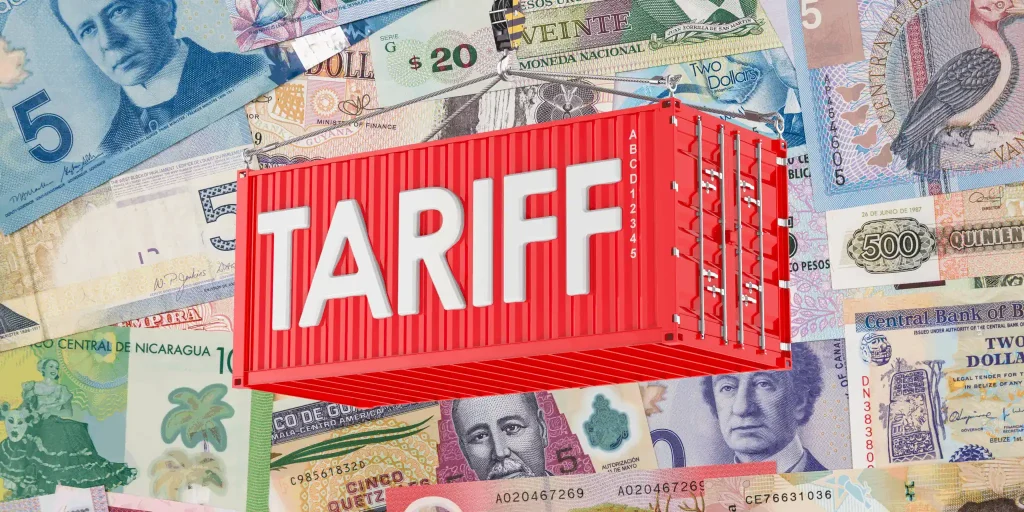
A New Economic War Is Brewing—And This Time, It’s About the Dollar
President Donald Trump just issued a stark warning:
“Any country aligning themselves with the anti-American policies of BRICS will be charged an additional 10% tariff. There will be no exceptions.”
This isn’t just trade posturing—it’s a front-line defense against what could become the most significant economic shift of our lifetime: the decline of the U.S. dollar as the world’s reserve currency.
What Is BRICS, and Why Is It a Threat?
BRICS—an alliance of Brazil, Russia, India, China, and South Africa—has grown into a global economic powerhouse. With the addition of Saudi Arabia, Egypt, Iran, the UAE, and others, the bloc now includes 11 nations representing 39% of global GDP and nearly a quarter of international trade.
But their goal is bigger: challenge U.S. dominance and create a new global currency system—possibly one backed by gold or commodities.
If successful, this would undermine the U.S. dollar’s role in global trade and finance—something President Trump is determined to stop.
Why Trump’s Playing Hardball with Tariffs
President Trump’s decision to impose an additional 10% tariff on BRICS-aligned countries is a strategic move to pressure nations into rejecting any anti-dollar cooperation.
“The idea that the BRICS countries are trying to move away from the dollar while we stand by and watch is over.” — President Trump
This tariff threat isn’t just economic—it’s geopolitical. Trump understands the high stakes: if BRICS nations succeed in creating an alternative to the U.S. dollar, America’s economic leverage could collapse.
That’s why Trump’s tariffs are going beyond just BRICS members. He’s posted deals with countries like Japan and South Korea, raised tariff rates on over a dozen nations, and signaled that any attempt to weaken the dollar will be met with economic consequences.
What Happens If BRICS Dethrones the Dollar?
If BRICS succeeds in launching a viable non-dollar-based system, Americans could face:
-
Dollar Devaluation – Less demand abroad = weaker domestic value
-
Rising Inflation – Imports become more expensive
-
Soaring Interest Rates – Fed forced to react to defend the currency
-
Retirement Risk – 401(k)s, IRAs, and savings accounts lose purchasing power
And unlike a recession, this won’t be temporary. The global financial center of gravity could shift permanently away from the U.S.
How to Protect Yourself: Turn to Real Assets
Trump’s tariffs may be buying us time—but they won’t stop the momentum toward de-dollarization.
That’s why more Americans are turning to gold—a timeless hedge against currency collapse, inflation, and geopolitical risk.
Gold is not controlled by any central bank. It’s not inflated by policy. It’s not devalued by trade wars.
It simply retains value—in every currency, in every era.
Final Thoughts: The Dollar’s Dominance Is on the Clock
President Trump is fighting to keep the dollar strong—but BRICS has made its move. The shift toward a multipolar global economy is happening in real time.
You can’t stop that shift—but you can prepare for it.
If the dollar falls, paper wealth evaporates. But gold holds firm.
Don’t wait for the next summit, the next tariff, or the next financial shock.
Now is the time to diversify. Talk to us about protecting your wealth with physical gold or a Precious Metals IRA.