






A Crisis Beyond Politics
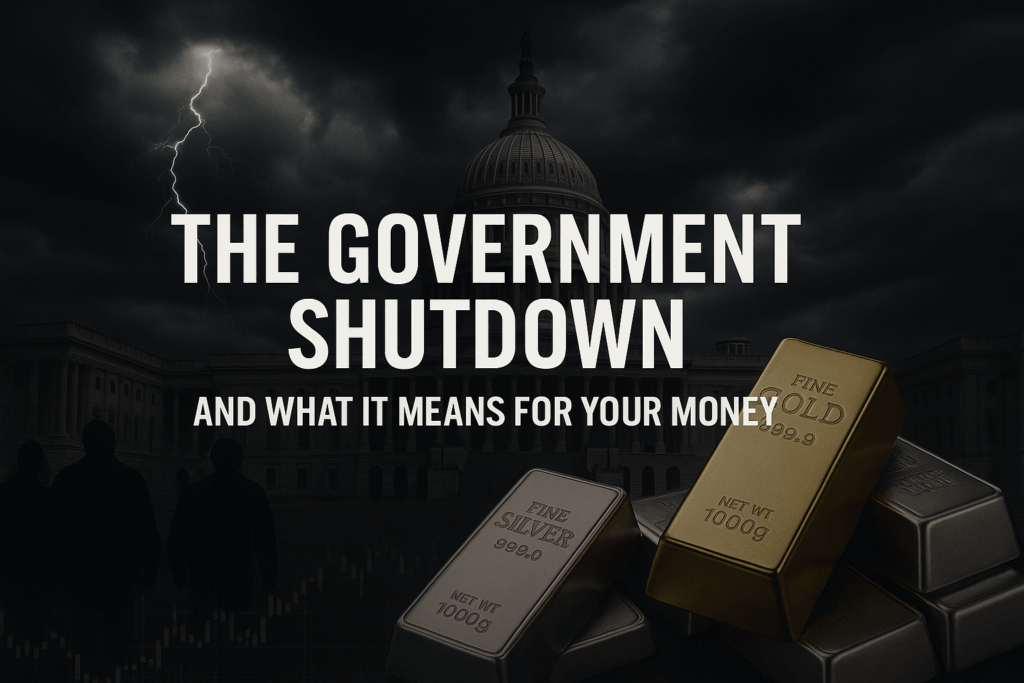
What began as a political standoff in Washington has rapidly escalated into something far more serious. The current government shutdown is not just the usual budget brawl. It is a breaking point that is sending shockwaves through federal institutions, financial markets, and the overall economy.
This shutdown is different.
Layoffs, Not Just Furloughs
For the first time, the White House has authorized agencies to begin firing federal workers. These are not temporary furloughs. These are full terminations, affecting thousands of civil servants across critical departments. Some agencies issued layoff notices, then reversed course, creating chaos and uncertainty for workers and leadership alike. The messaging has been inconsistent, the planning haphazard, and the public consequences severe.
Broken Services and Shaken Markets
Key services are being cut or suspended. Federal data collection is delayed. Public safety agencies are operating with reduced personnel. Markets are reacting, not just to the headlines, but to the underlying instability that now seems baked into the system. At the same time, inflation continues to eat away at purchasing power, and economists are sounding the alarm on an approaching recession.
Moody’s recently warned that even a short-term shutdown could accelerate a full-blown economic downturn. If policymakers fail to resolve the crisis quickly, the consequences could be long-lasting, especially for retirees and those relying on fixed income or government services.
A Legal and Constitutional Showdown
Legal fights are also now part of the equation. Lawsuits are being filed over the legality of mass federal layoffs without congressional approval. Questions about presidential authority during a shutdown are moving through the courts, raising the stakes even further. This is no longer just a funding issue. It is a constitutional crisis that could reshape the rules of governance—and the economy along with it.
What It Means for Your Money
First, confidence is everything. Financial markets depend on the belief that the government can and will function. When that belief is shaken, stocks can crash, bonds can become unstable, and even the dollar can lose ground on the world stage. A dysfunctional government erodes trust, and when trust breaks down, so does value.
The Rise of Financial Surveillance
Second, the increased risk of surveillance and control over personal finances is becoming more real. The digital dollar debate is heating up as central banks push for new forms of programmable currency. These systems may allow for unprecedented control over when and how people spend their money. In a crisis environment, the temptation to impose restrictions “for stability” becomes far more likely.
A Hedge That Doesn’t Rely on Trust
This is why many Americans are looking to physical gold and silver—not just as a hedge against inflation, but as a form of escape from a vulnerable and overreaching system.
Gold does not rely on trust in institutions. It does not get shut down when a political deal falls apart. It does not require approval to hold or to spend. It is a tangible store of value that has survived every kind of crisis, from hyperinflation to war to total government collapse.
Prepare While You Still Can
We are entering a new phase of economic and political uncertainty. The rules are changing, and the institutions we once relied on are showing cracks.
If you are nearing retirement, or simply trying to protect what you have worked hard to build, now is the time to consider a more resilient strategy. The shutdown may end with a political handshake, but the financial aftershocks will continue.
Prepare accordingly.
This article is for educational purposes only. Past performance does not guarantee future results. Precious metals investing involves risk. Consult with qualified financial professionals before making investment decisions.