







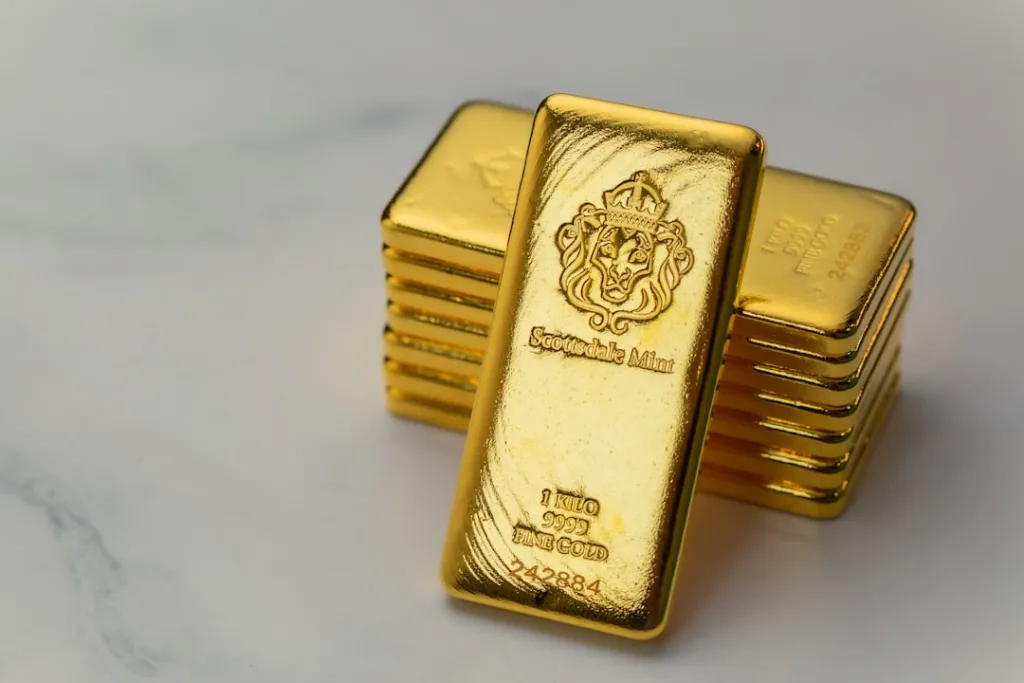
Investing in precious metals: Top 3 Secure Assets
Why Investing in Precious Metals Matters for Your Financial Security
Investing in precious metals is a proven strategy for protecting wealth, especially during economic uncertainty. For millennia, gold, silver, platinum, and palladium have served as reliable stores of value when traditional assets falter.
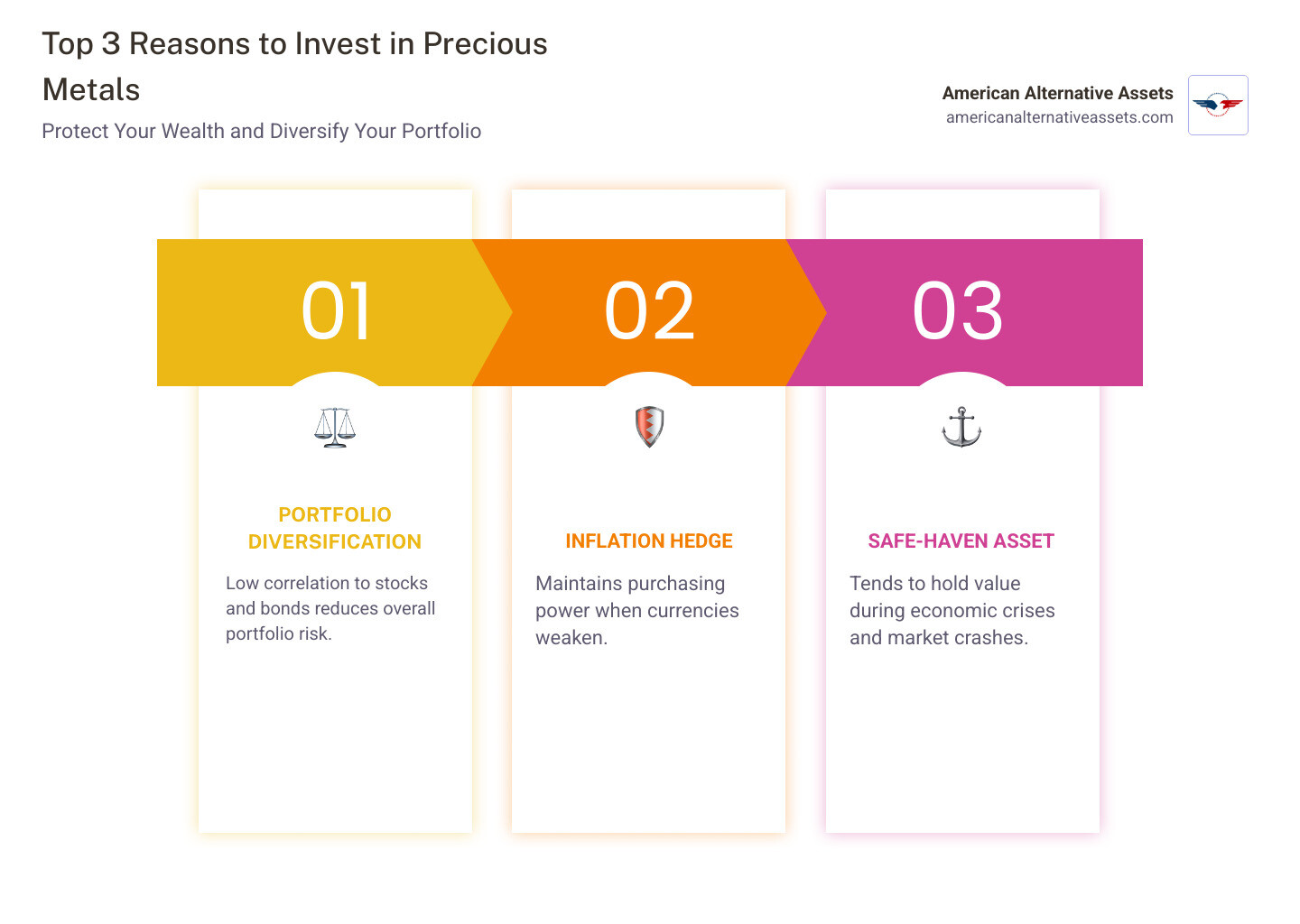
Quick Answer: Key Reasons to Invest in Precious Metals
- Portfolio Diversification – Precious metals often move independently from stocks and bonds, reducing overall portfolio risk.
- Inflation Protection – Metals tend to maintain their purchasing power as currencies devalue.
- Safe-Haven Asset – During economic turmoil, precious metals often hold or increase in value.
- Tangible Ownership – Physical metals offer direct control over your wealth, free from reliance on financial institutions.
The track record is compelling. In 2022, while stocks and bonds suffered, gold, silver, and platinum all posted gains. Gold’s ability to preserve purchasing power is legendary: 14 ounces of gold could buy a basic car in 1935, and the same amount can still do so today.
For investors concerned about market volatility or currency devaluation, precious metals are a time-tested alternative. They are not correlated to the stock market, cannot be inflated away by central banks, and carry no credit risk.
This guide will walk you through everything you need to know about investing in precious metals in straightforward language.
Understanding Precious Metals: What They Are and Why Investors Choose Them
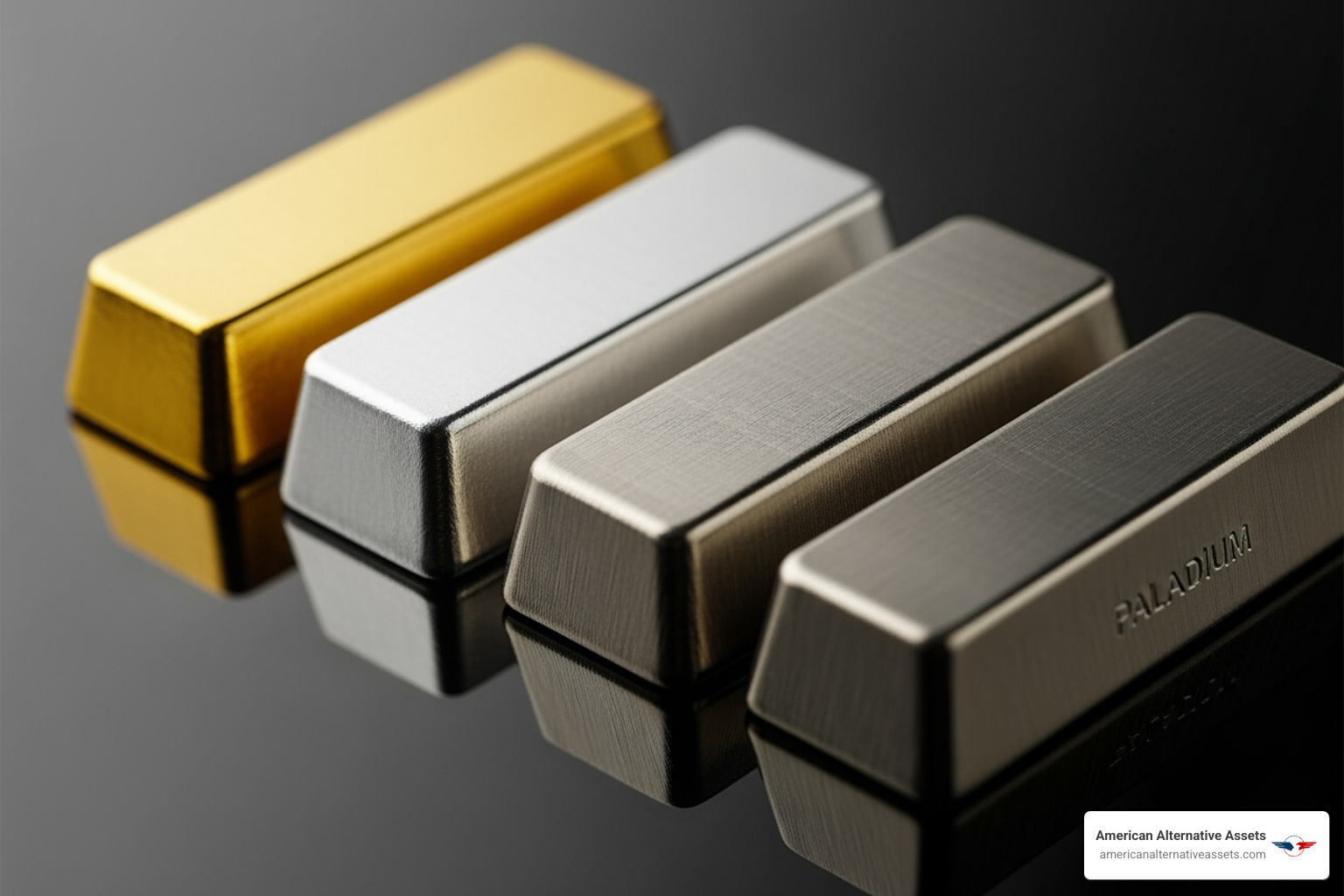
Precious metals are rare, naturally occurring metallic elements with significant economic value derived from their scarcity, industrial utility, and historical role as a store of wealth. For investors, the focus is typically on four main metals: gold, silver, platinum, and palladium.
These metals serve as a safe haven asset, meaning they tend to retain or grow their purchasing power when traditional investments like stocks and bonds decline. This is because they have a low correlation to stocks, making them a powerful tool for portfolio diversification and risk management. Their ability to act as an inflation hedge is a key reason for their enduring appeal, preserving wealth as currencies lose value over time.
The Role of Precious Metals During Economic Downturns
During economic downturns, precious metals often prove their worth. As market volatility and systemic financial concerns rise, investors seek the stability of tangible assets. Gold, in particular, shines during these periods because it carries no counterparty risk—its value doesn’t depend on a government’s promise or a company’s performance. This “flight to safety” is a recurring theme during times of geopolitical stress and currency devaluation, as confirmed by historical performance data.
Key Factors That Influence Precious Metal Prices
Several key forces influence precious metal prices:
- Supply and demand: Basic economics dictate that prices rise when demand outstrips new mining production and recycling supplies.
- Central bank reserves: When central banks buy or sell large quantities of gold, they can significantly impact market prices.
- U.S. dollar strength: Precious metals are priced in dollars, so a weaker dollar generally leads to higher metal prices, and vice versa.
- Interest rates: Higher interest rates can make income-paying assets like bonds more attractive than non-yielding metals. However, if rates are rising due to inflation, metals may still perform well.
- Industrial demand: Silver, platinum, and palladium are crucial in industries like electronics, solar panels, and automotive catalytic converters. Economic growth can boost their prices.
- Geopolitical events: Wars, political instability, and trade conflicts often trigger a flight to the safety of precious metals.
Understanding these drivers can help you make more informed investment decisions. You can see these patterns by reviewing a look at historical gold prices.
How to Start Investing in Precious Metals: A Comparison of Methods
When you’re ready to start investing in precious metals, the two most common approaches are buying physical bullion directly or using a Precious Metals IRA. Understanding the differences is key to choosing the method that aligns with your financial goals.
Physical Ownership: Bullion Bars and Coins
This traditional method involves buying and holding physical gold, silver, platinum, or palladium in the form of bars or government-minted coins. The primary appeal is direct, tangible ownership with no counterparty risk. You hold the asset yourself. However, this comes with the responsibility and cost of secure storage and insurance. You’ll also encounter dealer premiums (markups) when buying and a spread when selling, which can affect returns.
Precious Metals IRAs
A Precious Metals IRA allows you to hold physical, IRS-approved bullion within a tax-advantaged retirement account. With a Traditional IRA, contributions may be deductible and growth is tax-deferred. With a Roth IRA, qualified withdrawals in retirement are tax-free. This strategy is excellent for long-term diversification of your retirement portfolio.
The trade-offs include annual custodian and storage fees, as the metals must be held in an approved depository. Setting up a Self-Directed IRA (SDIRA) is more complex than a standard IRA and requires finding a reputable custodian.
This is where American Alternative Assets comes in. We specialize in guiding clients through every step of setting up and managing Precious Metals IRAs. Our white-glove, relationship-first approach means you’re never left wondering what comes next. We’re built on trust, transparency, and ethical practices, ensuring your wealth gets the privacy and protection it deserves.
Comparing Precious Metal Investment Options
To help you see the big picture, here’s how physical bullion and Precious Metals IRAs stack up side by side:
| Investment Type | Ownership | Costs | Liquidity | Counterparty Risk | Best For |
|---|---|---|---|---|---|
| Physical Bullion | Direct, in your possession | Dealer premiums, storage, insurance | High (globally liquid, may take time for large amounts) | None (once in your possession) | Investors wanting direct control, immediate access, and no reliance on financial institutions |
| Precious Metals IRA | Through IRA custodian/depository | Custodian fees, storage fees, setup costs | Moderate (subject to IRA rules and distribution timelines) | Minimal (reputable custodian and depository) | Retirement savers seeking tax advantages and long-term wealth preservation with professional storage |
Why Investing in Precious Metals Matters for Your Financial Security
As a recap, investing in precious metals is a time-tested strategy for financial security. Key benefits include portfolio diversification, inflation protection, and providing a safe-haven asset during economic turmoil. Their ability to preserve purchasing power over generations makes them a vital component for long-term wealth protection.
Understanding Precious Metals: What They Are and Why Investors Choose Them
Precious metals are rare, naturally occurring elements valued for their scarcity, durability, and utility. The four primary investment metals—gold, silver, platinum, and palladium—serve as a store of value and a safe haven asset.
For modern investors, their low correlation to stocks and bonds makes them invaluable for portfolio diversification. This characteristic helps reduce overall risk, especially during periods of market volatility or high inflation.
The Role of Precious Metals During Economic Downturns
During recessions or periods of currency devaluation, precious metals tend to hold or increase their value. Gold, in particular, is sought after because it has no counterparty risk and is universally recognized as a form of wealth independent of governments or corporations.
Key Factors That Influence Precious Metal Prices
Prices are influenced by a combination of factors, including supply and demand, central bank activity, the strength of the U.S. dollar, and interest rates. For silver, platinum, and palladium, industrial demand is also a major driver. Geopolitical events often cause a “flight to safety” that boosts prices. You can see these historical trends by looking at a look at historical gold prices.
How to Start Investing in Precious Metals: A Comparison of Methods
When investing in precious metals, investors typically choose between owning physical bullion or using a Precious Metals IRA. Each path offers distinct advantages regarding ownership, costs, and tax implications.
Physical Ownership: Bullion Bars and Coins
Advantages:
- Tangible Asset: You have direct control over a physical asset.
- No Counterparty Risk: Your wealth isn’t dependent on a third party’s solvency.
- Recognized Store of Value: Globally accepted for centuries.
Disadvantages:
- Storage and Insurance Responsibility: You are responsible for securing and insuring your metals.
- Dealer Markups and Buy-Back Discounts: You pay a premium over the spot price when buying.
- No Income Generation: Returns come only from price appreciation.
Precious Metals IRAs
This option allows you to hold physical bullion within a tax-advantaged retirement account.
Advantages:
- Tax Advantages: Enjoy tax-deferred or tax-free growth, depending on the IRA type.
- Diversification for Retirement: Adds a non-correlated asset to your retirement portfolio.
- Rollover Options: You can often roll over funds from an existing 401(k) or IRA.
Disadvantages:
- Custodian and Storage Fees: Involves annual custodian and storage fees.
- Limited Eligible Metals: The IRS has strict rules on which metals qualify.
- No Direct Physical Possession: Metals are held in a third-party depository.
We at American Alternative Assets specialize in guiding our clients through the complexities of Precious Metals IRAs, offering white-glove, relationship-first service built on trust, transparency, and ethical practices. Our goal is to ensure real privacy and protection for your wealth, every step of the way.
Comparing Precious Metal Investment Options
| Investment Type | Ownership | Costs | Liquidity | Counterparty Risk | Best For |
|---|---|---|---|---|---|
| Physical Bullion | Direct (tangible possession) | Premiums, storage (safe/vault), insurance | Moderate (less than financial assets) | Low (none once held) | Wealth preservation, tangible asset lovers, long-term hold |
| Precious Metals IRA | Indirect (held by custodian) | Custodian fees, storage fees, premiums | Moderate (depends on custodian/depository) | Low (custodian risk) | Tax-advantaged retirement savings, long-term wealth protection |
A Closer Look at the Big Four: Gold, Silver, Platinum, and Palladium
While all precious metals offer investment benefits, the “big four” each have unique characteristics driven by a mix of investment and industrial demand.
Gold vs. Silver: The Classic Investment Duo
- Gold as a Monetary Asset: Gold is the ultimate monetary asset, valued as a hedge against inflation and uncertainty. Its price is less affected by industrial cycles, making it a powerful portfolio diversifier.
- Silver’s Dual Role: Silver is both an investment and an industrial metal. About half its demand comes from technology, including smartphones and solar panels, making its price more sensitive to economic growth.
- Volatility and Accessibility: Silver’s smaller market makes it more volatile than gold. However, its lower price per ounce makes it more accessible to investors.
- Gold-to-Silver Ratio: This ratio, which tracks how many ounces of silver it takes to buy one ounce of gold, can help investors gauge their relative value.
Platinum and Palladium: The Industrial Powerhouses
Platinum and palladium are rarer than gold, and their prices are heavily influenced by industrial use.
- Catalytic Converters: Both metals are essential for catalytic converters in vehicles, which reduce harmful emissions. This ties their demand directly to the automotive industry.
- Supply Concentration: Production is concentrated in South Africa and Russia, creating geopolitical supply risks that can lead to price spikes.
- Price Volatility: Their strong industrial links and concentrated supply make platinum and palladium more volatile than gold.
- Green Technology Uses: Platinum is also crucial for emerging green technologies like hydrogen fuel cells, while palladium is used in electronics and dentistry.
Navigating the Risks and Tax Implications of Precious Metals
Investing in precious metals has significant benefits, but it’s crucial to understand the risks and tax rules.
Prices can be volatile, and unlike stocks or bonds, physical metals don’t generate income; returns depend solely on price appreciation. A more serious risk is dealer fraud, especially in the IRA space. Be wary of high-pressure sales tactics and promises that sound too good to be true. Always verify a dealer’s credentials and review the CFTC’s guidance on avoiding fraud.
Understanding the Tax Rules for Investing in Precious Metals
The IRS classifies precious metals as “collectibles.” For physical metals held outside an IRA, long-term capital gains (held over a year) are taxed at a maximum rate of 28%, which is higher than the rate for most stocks. Short-term gains are taxed as ordinary income.
This is where a Precious Metals IRA offers a major advantage. Inside an IRA, the collectibles tax rule doesn’t apply. Your investments grow tax-deferred (Traditional IRA) or tax-free (Roth IRA), with distributions taxed at ordinary income rates, not the higher collectibles rate. For more details, you can learn how collectibles are taxed by the IRS. We always recommend consulting a tax professional for advice custom to your situation.
How to Mitigate Common Investment Risks
- Diversify: Consider holding a mix of gold, silver, platinum, and palladium, as they respond to different market forces.
- Choose a Reputable Dealer: Look for dealers with long, positive track records. At American Alternative Assets, we’ve built our entire practice around the principle that our clients deserve better.
- Secure Your Assets: For physical bullion, use a high-quality home safe, a bank deposit box, or a professional depository. For an IRA, your metals are held in a secure, approved depository.
- Avoid High-Pressure Sales: Legitimate investment opportunities don’t require an immediate decision. Take your time and do your research.
- Verify Credentials: Ensure anyone giving you advice is a registered professional, not just a commissioned salesperson.
Frequently Asked Questions about Precious Metals Investing
Here are answers to some of the most common questions about investing in precious metals.
What happens to precious metals when the stock market crashes?
Precious metals, especially gold, often have a low or negative correlation with the stock market. During a market crash, investors frequently flock to gold as a “safe-haven” asset. This increased demand can cause gold’s price to rise while stock values are falling, providing a valuable cushion for a diversified portfolio.
What precious metal holds its value best?
Gold is historically recognized as the ultimate store of value. Its long history as a monetary asset, its use by central banks as a reserve, and its lower reliance on industrial demand make it exceptionally resilient in preserving wealth over long periods and through economic crises.
How much of my portfolio should I allocate to precious metals?
Most financial advisors suggest an allocation of between 5% and 15% of a total investment portfolio to precious metals. This range is generally considered sufficient to provide diversification and hedging benefits without overexposing your portfolio to a non-income-producing asset. The right percentage for you depends on your personal risk tolerance, financial goals, and market outlook. Even a modest allocation can significantly reduce overall portfolio volatility.
Conclusion: The Role of Precious Metals in a Modern Portfolio
Investing in precious metals is a strategic choice for a resilient financial future. These tangible assets can diversify your portfolio, protect against inflation, and provide a safe harbor in economic storms. Their proven ability to preserve purchasing power across generations is a testament to their enduring value.
Whether you choose the direct control of physical bullion or the tax advantages of a Precious Metals IRA, making an informed decision is key. Understanding the unique roles of gold, silver, platinum, and palladium, along with the associated risks and tax rules, is essential for protecting your wealth.
Choosing the right partner is just as important. At American Alternative Assets, we believe in building relationships, not just transactions. Our white-glove service is rooted in trust, transparency, and ethical practices—because your wealth deserves real privacy and genuine protection. We’re here to walk alongside you, answering your questions and helping you make confident decisions about your financial security.
If you’re ready to strengthen your portfolio, we invite you to Explore your options for a Precious Metals IRA and find how we can help you build a more resilient financial future.