







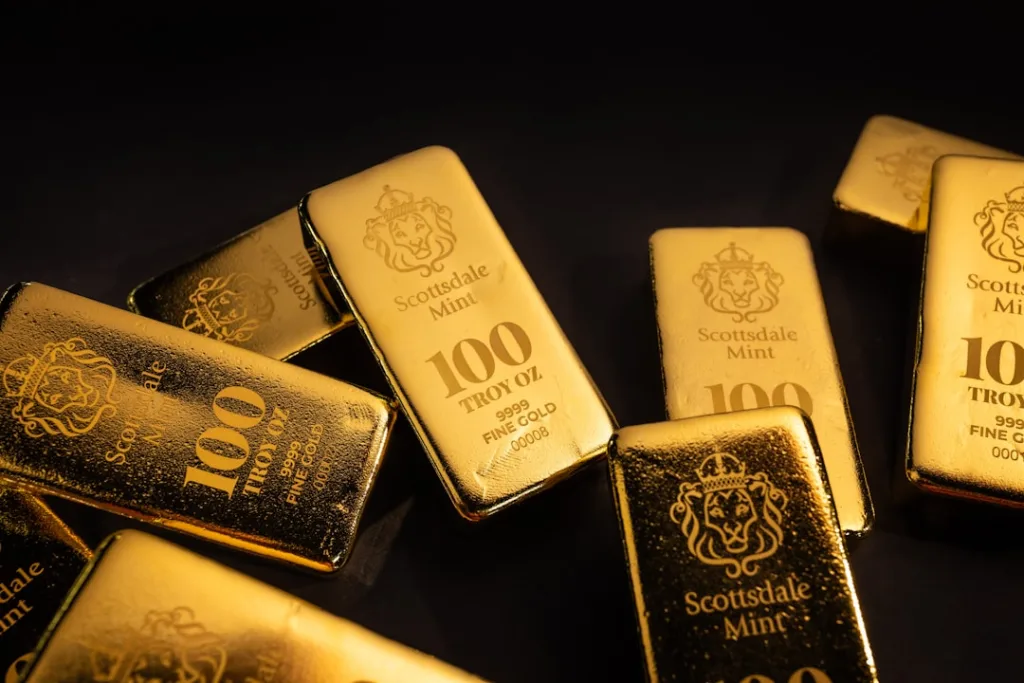
Investing in metals: Secure Your Wealth 2025
Why Physical Metals Deserve a Place in Your Retirement Plan
Investing in metals means allocating a portion of your portfolio to tangible assets like gold, silver, platinum, and palladium. Here’s what you need to know:
- What they are: Rare, naturally occurring elements with intrinsic value that have served as stores of wealth for thousands of years.
- Why they matter: Physical metals offer portfolio diversification, hedge against inflation, and provide protection during economic uncertainty.
- How to invest: You can own physical bullion (coins and bars) directly or hold them in a Precious Metals IRA for tax advantages.
- Recommended allocation: Most advisors suggest 5-15% of your total portfolio, depending on your goals and risk tolerance.
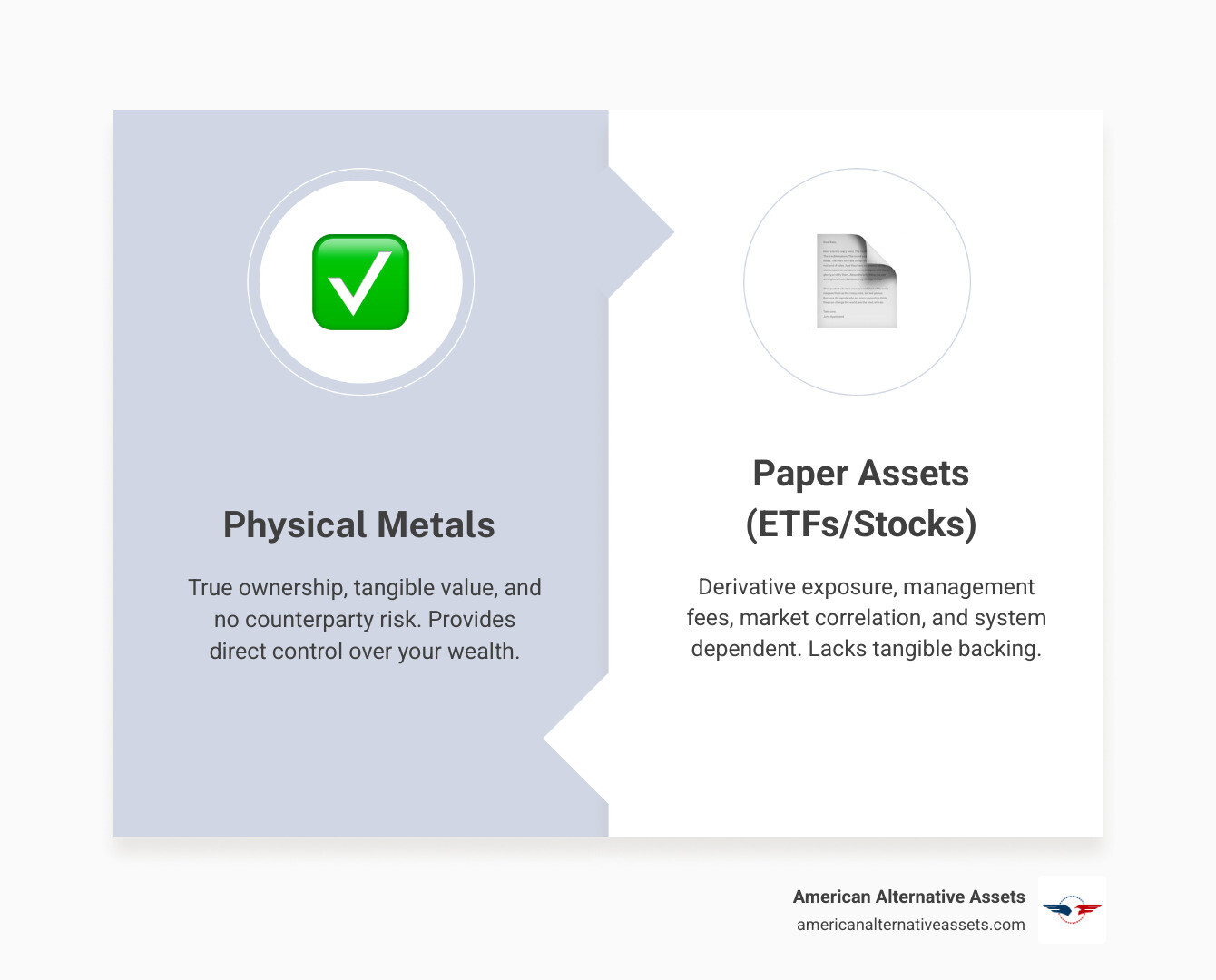
- Key distinction: Physical metals provide true ownership, while paper assets like ETFs and mining stocks carry counterparty risk and lack tangible backing.
My grandfather handed me a silver Morgan coin when I was nine years old. He told me, “This is real money.” I didn’t fully understand what he meant at the time, but decades later, after watching the 2008 crash shake families who thought paper assets were secure, his words finally clicked.
The issue wasn’t that people made bad decisions. It was that they were playing in a fragile system without realizing it. That realization led me to venture capital and eventually to founding American Alternative Assets, where I help Americans understand how physical precious metals can provide stability outside traditional financial markets.
Precious metals are rare elements found in nature that resist corrosion and maintain their value over time. Unlike paper currency that governments can print at will, these metals have a fixed supply. That scarcity gives them lasting purchasing power.
Throughout history, gold and silver have served as money, jewelry, and symbols of wealth. Today, they continue to play vital roles in both investment portfolios and industrial applications. Gold remains a foundation of central bank reserves worldwide, with the United States holding over 8,133 tons. Silver powers modern technology in solar panels, electronics, and electric vehicles.
In 2022, when stocks and bonds recorded double-digit losses, gold climbed 0.4%, silver rose 6.3%, and platinum jumped 12.2%. This performance during turbulent markets demonstrates why strategic metal investments can strengthen your financial position.
But not all metal investments are created equal. Owning physical bullion gives you direct control over tangible wealth. Paper assets like ETFs and mining stocks, on the other hand, create layers of counterparty risk and don’t provide the same security during system-wide disruptions.
As Shanon Davis, founder of American Alternative Assets, I’ve spent years helping people understand how physical precious metals can protect wealth when traditional markets fail. Investing in metals through a properly structured Precious Metals IRA combines the security of tangible assets with the tax advantages of retirement planning.
The Case for Precious Metals in Your Portfolio
We believe that every well-rounded portfolio deserves a touch of metallic shine, especially when it comes to long-term wealth preservation. Investing in metals offers unique benefits that traditional assets like stocks and bonds often cannot match.
One of the primary reasons to consider precious metals is their ability to act as a powerful tool for portfolio diversification. They tend to have a low or even negative correlation to other asset classes. What does this mean for you? When stocks and bonds might be experiencing a downturn, precious metals can often move in the opposite direction, or at least remain stable. For example, as we saw in 2022, a year when many investors faced double-digit losses in their stock and bond holdings, gold, silver, and platinum all delivered positive returns. This independent movement can help reduce overall portfolio volatility and risk.
Beyond diversification, precious metals serve as a time-tested hedge against inflation. In times of economic uncertainty, or when the purchasing power of the dollar is declining, physical metals have historically maintained their value. Unlike fiat currencies that governments can print at will, diluting their worth, the supply of precious metals is finite. This scarcity helps them retain intrinsic value, offering a tangible store of wealth that cannot be inflated away. They act as a safe haven asset, attracting investors during periods of geopolitical instability and market volatility. This makes them particularly appealing for beginners seeking stability in their initial forays into investing, as they represent a tangible asset you can hold, see, and touch.
A Strategic Guide to Investing in Metals
When we talk about investing in metals, it is crucial to understand the different avenues available and, more importantly, to discern which approach truly serves your goal of wealth preservation. The two main categories are physical bullion and paper assets.
Physical bullion involves directly owning precious metals in the form of coins or bars. This is direct ownership, giving you tangible control over your assets.
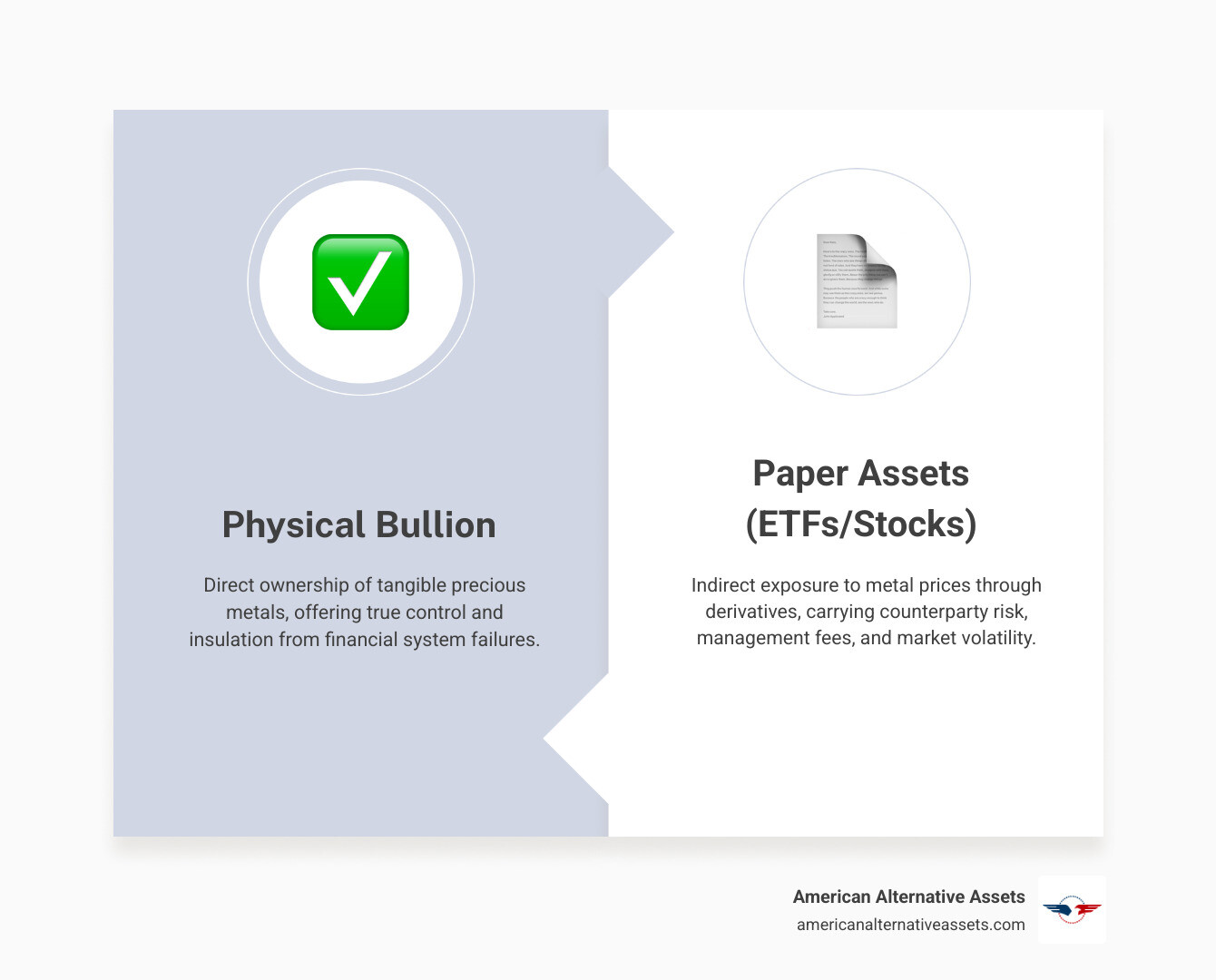
On the other hand, paper assets include Exchange Traded Funds (ETFs) and mining stocks. While these might seem like convenient ways to gain exposure to metal prices, we believe they introduce layers of complexity and counterparty risk that undermine the very purpose of owning precious metals for protection and security.
The Pitfalls of Paper: Why ETFs and Stocks Fall Short
While some investors consider ETFs or mining stocks for exposure to precious metals, we see several critical shortcomings that can compromise your financial security.
Firstly, when you invest in a precious metals ETF, you do not actually own the underlying physical metal. Instead, you own shares in a fund that theoretically holds metal or, in many cases, derivative contracts. This introduces counterparty risk, meaning your investment’s value depends on the solvency and integrity of the fund issuer, the custodian, and other third parties. If any of these entities face issues, your investment could be affected, even if metal prices are soaring.
Many ETFs are also derivative-based, using futures contracts rather than holding physical metal. These types of funds are primarily for trading and are known to lose value over the long run, even when metal prices rise, due to factors like contango and management fees. For long-term investors, this can be a significant drag on returns.
Mining stocks present a different set of challenges. While they might offer leverage to metal price movements, their value is not purely tied to the price of gold or silver. Mining companies are subject to a multitude of other factors: operational issues, labor disputes, geopolitical risks in their mining locations, company-specific debt, and overall stock market correlation. A mining company’s stock can plummet due to poor management or an unforeseen geological problem, even if the price of the metal it mines is performing well. This means you are investing in a business, not purely in the metal itself. For those seeking a direct, unadulterated hedge against systemic risk, mining stocks simply don’t offer a pure play on metal prices.
The Power of Physical: A Superior Approach to Investing in Metals
For us, the true power of investing in metals lies in physical ownership. This is where you gain true, tangible wealth and complete control over your assets.
When you hold physical bullion, such as gold and silver coins or bars, you possess a tangible asset that exists outside of the traditional financial system. This provides an unparalleled level of privacy and insulation from financial system failures. There is no counterparty risk, because you are the ultimate owner. Your wealth is not dependent on the performance of a third-party institution, a digital ledger, or a promise on a piece of paper.
Physical metals carry no credit risk. They cannot default, go bankrupt, or be inflated away by government policy. They represent lasting value that has been recognized and accepted across cultures and throughout millennia. This direct ownership is why we advocate for physical precious metals, especially for those looking to protect their retirement savings. It’s about securing a portion of your wealth in an asset that has stood the test of time, offering peace of mind that paper assets simply cannot replicate.
Understanding the Four Core Investment Metals
While many metals exist, four stand out for their investment potential and intrinsic value: gold, silver, platinum, and palladium. Each possesses unique characteristics that influence its role in a diversified portfolio.
Gold: The Foundation of Wealth Preservation
Gold has been synonymous with wealth and stability for thousands of years. Its monetary history is unparalleled, having served as a global currency and a benchmark for value long before paper money existed. Today, central banks around the world continue to hold vast reserves of gold, underscoring its enduring importance in the global financial system. The United States, for instance, has the world’s largest reserves, amounting to 8,133.5 tons as of August 2024. This significant holding reinforces gold’s role as a foundational asset. For more details on global reserves, you can visit the World Gold Council.
Beyond its role as a monetary asset, gold also boasts crucial industrial uses, particularly in electronics due to its excellent conductivity and corrosion resistance, and in medicine for dental fillings and specialized treatments. Despite its industrial demand, gold’s price is largely driven by its status as a store of value and a safe haven asset, especially during economic uncertainty. Its market is highly liquid, with US$130.9 billion worth of gold changing hands on an average day in 2021, making it one of the most liquid assets globally.
Silver: The Dual-Purpose Metal
Silver, often called “poor man’s gold,” offers a compelling investment opportunity due to its dual nature: it acts both as a precious metal and an industrial commodity. This dual purpose gives silver a unique dynamic, making its price more volatile than gold, but also offering significant growth potential. Its industrial demand is robust and growing, with applications in solar panels, electric vehicles, batteries, electronics, and various electrical applications. About half of all silver produced goes to industrial uses, highlighting its indispensable role in modern technology.
As the industrial sector’s demand for silver continues to expand, many believe silver is ready to follow gold’s upward trend. As Yahoo Finance noted, History Suggests Silver Could Follow Gold’s Rise. We find silver to be an exciting metal for those looking to diversify their precious metals holdings beyond just gold.
Platinum & Palladium: The Industrial Powerhouses
Platinum and palladium are often grouped together as Platinum Group Metals (PGMs) and are significantly rarer than gold or silver. Their investment value is heavily influenced by their critical industrial applications, particularly in the automotive industry.
The primary use for both platinum and palladium, especially palladium, is in catalytic converters, which reduce harmful emissions from vehicle exhausts. Roughly 80% of global palladium supplies are used for this purpose. This strong link to the automotive sector means demand, and thus price, can fluctuate with car sales and production trends.
Their rarity is compounded by a high concentration of supply in just a few regions. South Africa is a major producer of both platinum and palladium, while Russia is another significant source of palladium. This geopolitical concentration of supply, as detailed in the Platinum-Group Metals report by the U.S. Geological Survey, can lead to price volatility based on political events, labor issues, or production disruptions in these key mining nations. For investors, understanding these supply dynamics is crucial when considering platinum and palladium.
Practical Steps for Your Precious Metals Journey
Starting on your journey of investing in metals can feel like a significant step, but with a clear plan, it becomes a straightforward path to securing your financial future.
A Beginner’s Guide to Investing in Metals
For those new to precious metals, we suggest starting with a few key considerations. First, clearly define your investment goals. Are you looking for long-term wealth preservation, a hedge against inflation, or portfolio diversification? Your goals will influence your choices.
Next, determine an appropriate allocation for precious metals within your overall portfolio. While there’s no one-size-fits-all answer, most experts suggest keeping precious metals between 5% and 15% of your total investment strategy. This allocation is generally considered sufficient to provide diversification and protection without overly impacting your portfolio’s growth potential.
Finally, research reputable dealers. This is paramount for ensuring you acquire genuine products at fair prices. At American Alternative Assets, we pride ourselves on our white-glove, relationship-first service, built on trust, transparency, and ethical practices. We are here to guide you through this process with clarity and confidence.
Securing Your Assets: Storage and Insurance
Once you acquire physical precious metals, securing them is your next critical step. You have two main options:
- Physical Possession: Keeping your metals at home, perhaps in a safe. This offers immediate access and a sense of direct control. However, it also comes with risks, primarily theft. If you choose this route, ensure your home safe is robust and discreet, and consider how much metal you are comfortable keeping on-site.
- Third-Party Depository Storage: This involves storing your metals in a professional, secure vault facility. Reputable depositories offer high levels of security, including armed guards, advanced surveillance, and robust physical barriers. They typically offer two types of storage:
- Segregated Storage: Your metals are stored separately from other clients’ holdings, meaning the exact coins or bars you deposited are returned to you.
- Allocated Storage: Your metals are accounted for individually, but they might be commingled with other clients’ metals of the same type and fineness.
Regardless of your chosen storage method, insurance is vital. For physical possession at home, ensure your homeowner’s insurance policy covers precious metals, and understand any limits. For depository storage, verify that the facility provides comprehensive insurance coverage for your holdings, often through major insurers like Lloyds of London, protecting against loss or damage.
Integrating Metals into Retirement: The Precious Metals IRA
For many investors, integrating precious metals into their retirement planning offers significant tax advantages and long-term security. A Precious Metals IRA, or Self-Directed IRA (SDIRA), allows you to hold physical gold, silver, platinum, and palladium within a tax-advantaged retirement account. This means your investments can grow tax-deferred or tax-free, depending on whether it’s a Traditional or Roth IRA.
To be eligible for an IRA, precious metals must meet specific IRS purity standards. Our team can help you steer these requirements, ensuring your chosen metals comply. Common IRA-eligible coins and bars include:
- Gold American Eagle (1 oz, 1/2 oz, 1/4 oz, and 1/10 oz)
- Gold American Buffalo (1 oz)
- Silver American Eagle (1 oz)
- Platinum American Eagle (1 oz)
- Gold and Silver Canadian Maple Leaf (various sizes)
- Bullion Quality Bars (meeting minimum fineness requirements)
By setting up a Precious Metals IRA, you combine the enduring value of physical assets with the strategic benefits of retirement planning, ensuring real privacy and protection for your wealth.
Frequently Asked Questions about Investing in Metals
We often hear similar questions from individuals exploring investing in metals. Here are some of the most common ones, along with our insights.
How much of my portfolio should I allocate to precious metals?
The amount of precious metals you should hold in your portfolio is a personal decision, but most investment advisors suggest an allocation between 5% and 15% of your total investment mix. This range typically provides the benefits of diversification and a hedge against inflation without making your portfolio overly concentrated in one asset class.
Your precise allocation should depend on several factors: your age, your risk tolerance, your overall financial goals, and your existing investments. For instance, someone nearing retirement might lean towards a higher allocation for stability, while a younger investor might opt for a lower percentage. This allocation is a general guideline and should be adapted to your personal financial situation and goals.
Which precious metal is best for a beginner?
For beginners, gold is often considered an excellent starting point. It’s the most common and widely understood precious metal, known for its stability, high liquidity, and long history of maintaining value during economic uncertainty. Its market is generally less volatile than other metals, making it a comfortable entry point.
Silver is another popular choice, particularly for those looking for potential higher growth. While silver’s price can be more volatile due to its significant industrial demand, it also tends to have a lower entry price per ounce than gold. Many investors choose to hold both gold and silver to leverage their different strengths in a portfolio. The “best” metal depends on your individual goals and comfort with price fluctuations.
What are the typical fees when buying physical metals?
When purchasing physical precious metals, it’s important to understand the typical fees involved. These generally include:
- Spot Price: This is the current market price for an ounce of the raw metal. All other costs are added on top of this.
- Premiums Over Spot: Dealers typically charge a premium above the spot price. This premium covers the costs of fabrication (turning raw metal into coins or bars), shipping, handling, and the dealer’s operating expenses and profit margin. Premiums can vary based on the type of product (coins often have higher premiums than bars), its rarity, and market demand.
- Dealer Fees: These are specific charges levied by the dealer for facilitating the transaction.
- Storage Fees: If you opt for professional depository storage, you will incur ongoing storage fees. These are usually a small percentage of the total value of your holdings, or a minimum flat fee, charged quarterly or annually.
We believe in transparency, and our team at American Alternative Assets will clearly outline all associated costs so you can make informed decisions.
Secure Your Financial Future with Tangible Assets
In an increasingly uncertain financial landscape, the wisdom of investing in metals has never been clearer. We’ve explored how physical precious metals offer unparalleled benefits: they provide crucial diversification, act as a powerful hedge against inflation, and grant you true ownership of tangible wealth, free from counterparty risk.
Taking proactive steps to protect your wealth is an act of personal responsibility. By strategically allocating a portion of your portfolio to physical gold, silver, platinum, and palladium, you are not just making an investment, you are securing a legacy.
At American Alternative Assets, we are committed to helping you achieve this security with our white-glove, relationship-first service. We believe in building trust through transparency and ethical practices, ensuring real privacy and protection for your wealth. We are here to guide you through every step of your journey, from understanding the market to setting up a Precious Metals IRA.
Take control of your retirement with a Gold IRA.
Investing in precious metals involves risk. Past performance does not guarantee future results.