The U.S. Treasury just executed a $12.5 billion buyback of its own debt. Officials say it’s about managing liquidity—but others see a backdoor return to quantitative easing. With bank reserves shrinking and the Fed stepping back in as a buyer, it raises deeper questions about the true health of the financial system.
The Federal Reserve cut interest rates again, dropping the benchmark to 3.50%-3.75%. But more telling: they’ve ended quantitative tightening and started buying short-term Treasuries. Liquidity is flooding back into markets, but is this a soft landing—or a setup for something worse?
NATO’s Secretary General issued a chilling warning: Europe must prepare for a conflict on the scale of World War II. Tensions with Russia are escalating, and leaders are calling for a “wartime mindset.” The threat of global conflict is no longer theoretical—and its impact on markets could be massive.
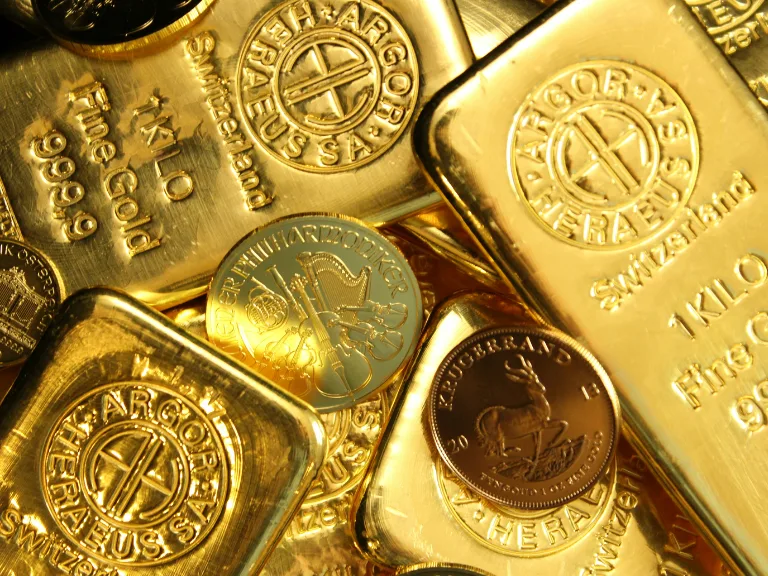
Gold has hit record highs, yet U.S. investors barely own any. According to Goldman Sachs, just 0.17% of portfolios hold gold—and that gap could mean explosive upside. With institutional forecasts now targeting $4,900 per ounce, even a small shift in investor behavior could move markets fast.
The job market is weakening fast. Unemployment hit 4.6%, job growth is flat, and new grads are entering one of the toughest labor environments in years. The Fed says it’s “under pressure.” But some economists warn that a crack—rather than a recovery—may be next.
By submitting this form you agree to receive SMS messages from American Alternative Assets for conversation purposes. You may reply STOP to opt-out at any time. Messages and data rates may apply. Read our privacy policy or term & conditions.