







Why Ethical Wealth Management Matters Now More Than Ever
Ethical wealth management is the practice of aligning your investment decisions with your personal values, prioritizing transparency, direct ownership, and long-term security over short-term speculation. At its core, it means taking control of your wealth in a way that protects your financial future while staying true to what matters most to you.
What makes wealth management truly ethical:
- Transparency in how your assets are held and managed
- Direct ownership of tangible assets rather than paper promises
- Long-term security focused on wealth preservation, not speculation
- Personal control over where and how your money is invested
- Real privacy and protection for your financial legacy
The financial world is changing. Nearly $50 trillion in ethically invested assets are projected by 2025, representing more than a third of all global assets under management. This growth reflects a wider interest in approaches like ethical investing and socially responsible investing. Yet most of that money still flows into traditional paper-based investments, funds, and stocks that carry hidden risks and offer no real control.
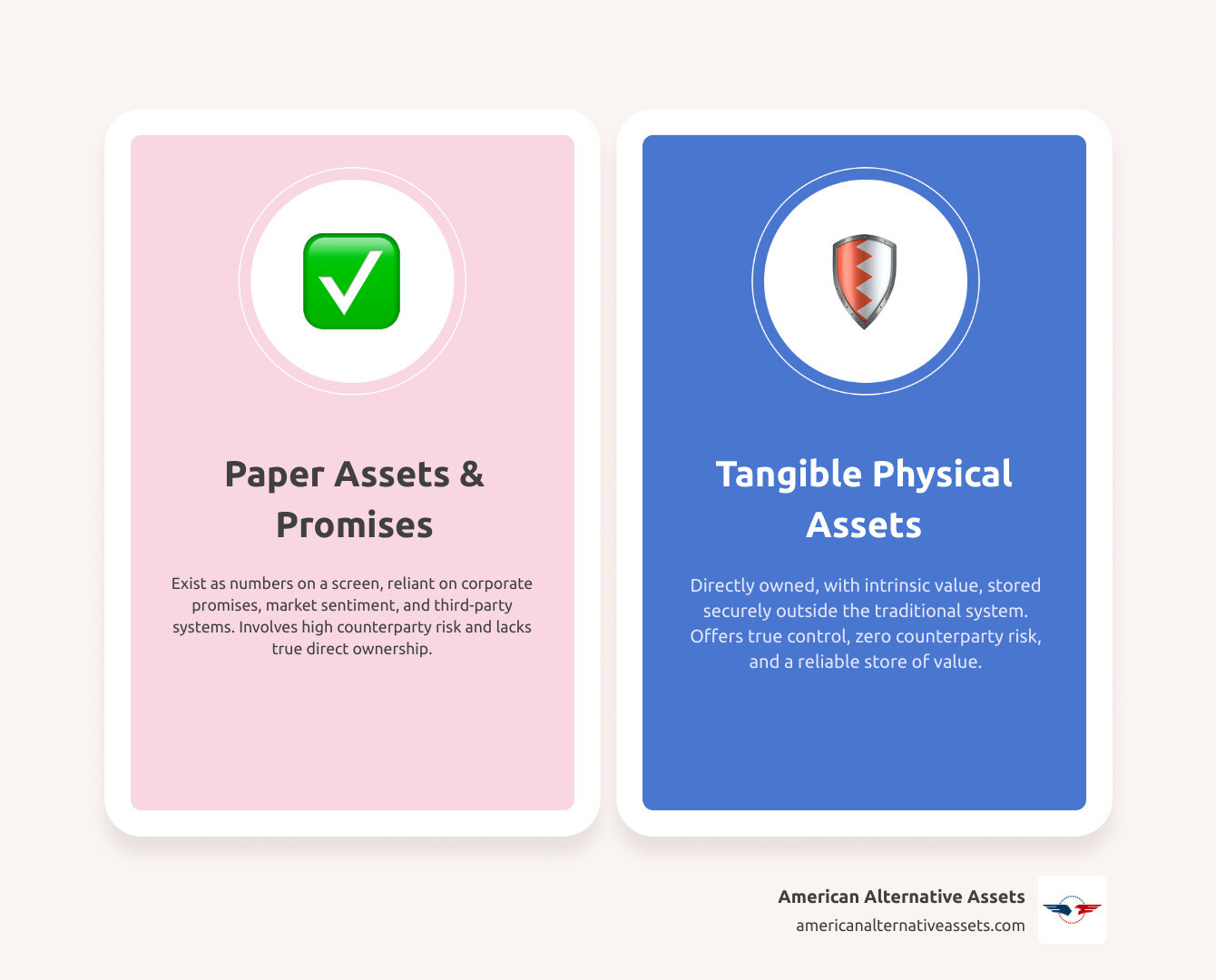
Here is the problem. Many so-called “ethical” investments are built on the same fragile foundation as the conventional system. They rely on corporate self-reporting, fluctuate with market volatility, and ultimately depend on someone else’s promise to honor your claim. When markets swing or systems fail, paper assets can lose value quickly.
True ethical wealth management goes deeper. It starts with a simple question: Do you actually own what you think you own? If your wealth exists only as numbers on a screen, tied to the performance of companies or funds you do not control, you are exposed to risks that have nothing to do with your values or your goals.
Physical precious metals like gold and silver offer a different path. They represent tangible value you can hold, store securely, and pass down to future generations. They do not depend on corporate promises, government policy, or market sentiment. They simply are.
I am Shanon Davis, and I have spent decades in venture capital and finance watching paper wealth evaporate when systems fail. After the 2008 crash, I founded American Alternative Assets to help everyday Americans build wealth strategies rooted in ethical wealth management, using tangible assets that stand the test of time.
Terms related to ethical wealth management:
What is Ethical Wealth Management? Beyond the Buzzwords
At American Alternative Assets, we believe ethical wealth management is more than just a trend; it’s a fundamental approach to securing your financial future with integrity and purpose. It’s about ensuring your wealth is not just growing, but is also genuinely protected and aligned with your deepest values.
For us, this means focusing on the core principles of transparency, direct ownership, and long-term security. We define ethical wealth management as the diligent practice of protecting and growing your wealth through assets that you directly own and control, free from the complexities and hidden risks of paper-based systems. It’s about having a clear understanding of what you possess and knowing that it truly belongs to you, providing real privacy and protection for your wealth.
The importance of this approach in today’s financial landscape cannot be overstated. With nearly $50 trillion in ethically invested assets projected by 2025, it’s clear that more and more people are seeking to align their money with their values. However, the path to achieving this alignment is often obscured by marketing buzzwords and traditional financial products that may not deliver on their promises of true security and ownership.
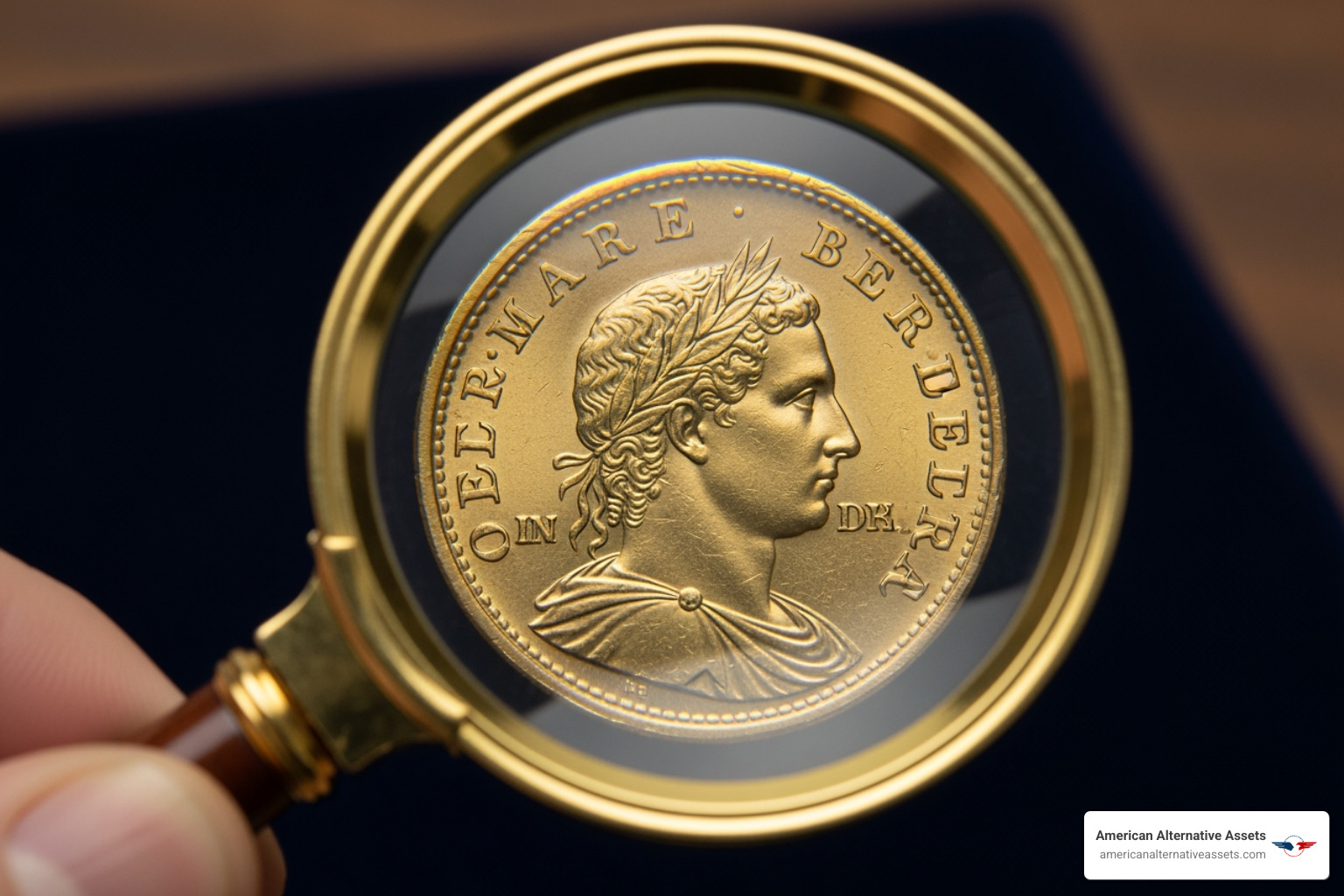
We see physical precious metals like gold and silver as embodying the essence of ethical wealth management. They are time-tested stores of value, universally recognized, and not subject to the same vulnerabilities as paper assets. They offer a tangible, enduring form of wealth that has served generations.
The Limits of Mainstream “Ethical” Investing
When many people hear “ethical investing,” they often think of terms like ESG (Environmental, Social, and Governance) or SRI (Socially Responsible Investing). These approaches aim to screen companies based on certain criteria, such as their environmental impact, labor practices, or corporate leadership. While well-intentioned, these mainstream “ethical” investments often fall short of true ethical wealth management as we define it.
The primary limitation lies in the nature of the underlying assets: they are typically paper assets, such as stocks, bonds, or mutual funds. This means your “ethical” investment is still a claim on a company, not a direct ownership of a tangible asset. The ethical rating itself is often subjective, relying heavily on corporate self-reporting, which can sometimes be misleading. We’ve seen instances where companies with strong ethical claims have faced corporate scandals or governance issues, undermining the very premise of the investment.
Furthermore, these paper assets are inherently exposed to market volatility and counterparty risk. If the market takes a downturn, or if the company or fund you’ve invested in experiences financial difficulty, your investment can suffer, regardless of its ethical score. The lack of direct ownership means you don’t control the asset itself; you merely own a share or a promise. This can lead to a disconnect between your values and the actual security of your wealth.
A Deeper Principle: Tangible Asset Ownership
At American Alternative Assets, we advocate for a deeper principle: tangible asset ownership. This is the cornerstone of our approach to ethical wealth management. We believe that true ethical investing extends beyond simply avoiding “bad” companies and actively accepts the security and control that comes with owning physical, tangible assets.
Physical precious metals, such as gold and silver, exemplify this principle. They represent direct ownership, giving you unparalleled control over your wealth. Unlike paper assets, which are promises issued by institutions, physical gold and silver are intrinsic stores of value. They have no counterparty risk, meaning their value doesn’t depend on the solvency or integrity of a third party.
This form of wealth stewardship ensures that your assets are protected from the volatility of paper markets and the potential for corporate mismanagement. It’s about building a financial foundation that is truly secure, private, and resilient, aligning with values of self-reliance and lasting legacy.
The Great Divide: Paper Promises vs. Tangible Security
Understanding the fundamental difference between paper promises and tangible security is crucial for anyone pursuing true ethical wealth management. The inherent characteristics of these two approaches lead to vastly different levels of control, risk, and transparency.
The Risks of Paper-Based “Ethical” Portfolios
Many well-meaning investors choose “ethical” portfolios composed primarily of paper assets like stocks, bonds, and mutual funds. These portfolios, despite their ESG or SRI labels, carry inherent risks that tangible assets largely mitigate.
- Market Risk and Volatility: Paper assets are directly tied to the performance of the stock market. Economic downturns, geopolitical events, or even shifts in public sentiment can cause significant fluctuations in value. While traditional investing often focuses on long-term growth, the journey can be a rollercoaster, and significant portions of wealth can be lost during market crashes.
- Corporate Governance Failures: Even “ethical” companies can suffer from poor management, accounting fraud, or operational missteps. When these occur, the value of your shares can plummet. Your investment is dependent on the decisions and integrity of corporate executives, over whom you have no direct control.
- Lack of Real-World Impact and Control: While ESG funds aim to support positive change, your ownership is often indirect and diluted. You don’t directly control the company’s actions or its true impact. Your investment is just one of many, and the real-world effect of your capital can be hard to measure or verify.
- No Direct Ownership: When you own a stock or a share in a fund, you don’t actually own a piece of the company’s physical assets. You own a claim, a promise, a digital entry. This means you lack direct control over the asset itself and are exposed to the risks of the financial system that holds these claims.
The Security of Physical Precious Metals
In contrast, physical precious metals like gold and silver offer a robust foundation for ethical wealth management. Their security stems from their intrinsic value and unique properties:
- Intrinsic Value: Gold and silver have been recognized as valuable assets for thousands of years. Their worth is inherent, not derived from a company’s performance or a government’s promise.
- No Counterparty Risk: Unlike paper assets, which depend on a third party (a company, a bank, a government) to honor a claim, physical precious metals carry no counterparty risk. You own the asset directly. No one else’s solvency affects your gold or silver.
- A Hedge Against Inflation and Economic Uncertainty: Historically, precious metals have served as a reliable hedge during times of economic instability and inflation. When currencies lose purchasing power, or markets become volatile, gold and silver often retain or increase their value, helping to preserve your wealth. Gold is widely seen as a hedge during times of economic uncertainty.
- Direct Control and Privacy for Wealth: Owning physical metals provides a level of control and privacy that paper assets cannot match. You know exactly what you own, and in a secure Precious Metals IRA, your assets are held in your name, in a specialized, insured depository. This offers a tangible layer of security and peace of mind.
| Feature | Paper-Based Assets (Stocks, Funds) | Physical Gold (Bars, Coins) |
|---|---|---|
| Ownership | Indirect claim on assets or company earnings; digital entry. | Direct, tangible ownership of a physical commodity. |
| Control | Limited; dependent on corporate management, fund managers, and market forces. | High; direct possession (or secure storage in your name) and decision-making power. |
| Counterparty Risk | High; dependent on the solvency and integrity of issuing company, bank, or brokerage. | None; value is intrinsic, not dependent on a third party’s promise. |
| Intrinsic Value | Derived from company performance, market sentiment, or government backing; can fluctuate widely. | Inherent value recognized globally for millennia; independent of financial systems. |
| Transparency | Can be complex; relies on corporate reporting, fund disclosures, and financial statements. | Simple; what you see is what you get; verifiable purity and weight. |
A Practical Guide to True Ethical Wealth Management

True ethical wealth management is about taking proactive steps to protect and grow your wealth in a way that aligns with your values of security, transparency, and personal control. It’s a journey that moves beyond passively investing in “ethical” labels and towards actively building a resilient financial legacy.
Step 1: Define Your Core Values
Before making any investment decisions, we encourage you to clearly define your core values. What truly matters to you when it comes to your wealth? Is it long-term security, privacy, direct ownership, or the ability to pass on a lasting legacy to your family? For many of our clients in California, these values revolve around:
- Security: A desire for assets that are resilient against economic shocks and market volatility.
- Transparency: Knowing exactly what you own and how it’s held, without hidden complexities.
- Direct Ownership: The peace of mind that comes from holding tangible assets, not just paper promises.
- Self-Reliance: Reducing dependence on traditional financial institutions and their inherent risks.
- Family Legacy: Ensuring your wealth can be easily understood and transferred across generations.
Moving beyond marketing labels means looking past general “ethical” or “sustainable” claims and asking if the investment truly meets your personal criteria for security and control.
Step 2: The Importance of Due Diligence in Ethical Wealth Management
Due diligence is paramount in ethical wealth management, especially when navigating the often-murky waters of “ethical” investing. It means looking beyond the surface and questioning what lies beneath.
- Questioning Underlying Assets: When considering any investment, ask: “What do I actually own?” If it’s a fund or a stock, you own a share of a company, which is a paper asset. If it’s physical gold or silver, you own a tangible asset. This distinction is critical for true ethical alignment.
- Verifying Claims: Be wary of vague promises or marketing that sounds too good to be true. Research shows that many so-called ethical funds have been criticized by regulators for not living up to their billing. We believe in verifying the tangibility and security of assets, rather than relying on external ratings or corporate reports.
- Looking Past Fund Names: A fund with “ethical” or “sustainable” in its name might still invest in companies that, upon closer inspection, don’t align with your deepest values of privacy, control, or genuine impact. A deep dive into the fund’s holdings and the nature of its assets is essential.
- Understanding What You Truly Own: Due diligence in ethical wealth management boils down to understanding the nature of your ownership. Do you have a direct claim to a physical asset, or a promise from a third party? For us, true ethical investing means choosing assets that offer clear, direct ownership.
Step 3: Building a Legacy with Ethical Wealth Management
Building a lasting legacy is a core component of ethical wealth management. We understand that for many families, especially in areas like Woodland Hills, CA, preserving wealth for future generations is a key priority. However, statistics reveal a sobering truth: research shows that 90% of inherited wealth is lost by the third generation due to poor financial education and often, a reliance on volatile, paper-based assets.
This is where diversifying with tangible assets becomes profoundly important. By moving a portion of your wealth outside the traditional, paper-based financial system and into physical precious metals, you are creating a more resilient foundation for your family’s future.
Physical assets like gold and silver offer a lasting, tangible legacy that can be understood and appreciated across generations, regardless of market fluctuations or currency devaluations. They represent real value, making them an ideal way to pass on wealth in a form that is enduring and less susceptible to the risks inherent in complex financial instruments. This approach ensures that your hard-earned wealth remains intact, offering real privacy and protection for your family’s financial future.
Integrating Precious Metals into Your Ethical Strategy
For those committed to ethical wealth management grounded in tangible ownership and security, integrating physical precious metals into your financial strategy is a natural and powerful step. This is especially true when considering your retirement savings.
Precious Metals IRAs: A Path to Tangible Wealth
A Precious Metals IRA offers a unique path to building tangible wealth within a tax-advantaged retirement account. Unlike traditional IRAs that hold paper assets like stocks, bonds, or mutual funds, a Precious Metals IRA allows you to hold physical gold, silver, platinum, or palladium bullion. This means your retirement savings are backed by real, tangible assets that you directly own.
Many of our clients in California choose to roll over existing 401(k)s or traditional IRAs into a Precious Metals IRA. This process allows them to convert their paper-based retirement savings into physical precious metals without incurring immediate taxes or penalties, offering a seamless transition to a more secure and tangible asset class.
How It Works: A Simple Process
We believe in making the process of owning physical precious metals straightforward and transparent. Here’s how we simplify it for you:
- Choosing Physical Metals: We guide you through selecting eligible gold and silver bullion products (coins or bars) that meet IRS purity standards.
- Secure Depository Storage: Your chosen precious metals are then securely stored in an insured, third-party depository. These specialized vaults are highly regulated and offer world-class security for your assets. You maintain direct ownership, and your metals are segregated, meaning they are held separately in your name, not commingled with others.
- Direct Ownership within Your IRA: Even though your metals are stored in a depository, they are held directly in your name within your Precious Metals IRA. This gives you the peace of mind that comes with true ownership, backed by physical assets.
The Benefits of a Gold IRA
Choosing a Gold IRA (or a Precious Metals IRA that includes silver) offers several compelling benefits for a truly ethical wealth management strategy:
- True Diversification: Physical precious metals often move independently of stocks and bonds, providing a valuable hedge against market volatility and economic downturns. This helps to stabilize your overall portfolio.
- Protection from Market Volatility: While paper assets can fluctuate wildly, physical gold is widely seen as a hedge during times of economic uncertainty, helping to preserve your purchasing power.
- Tangible Asset Ownership: This aligns perfectly with the ethical principle of direct ownership. You own a real, physical asset, not a digital promise or a share of a fund.
- Aligning with Values of Security and Self-Reliance: A Gold IRA empowers you with a sense of control and security, knowing that a portion of your retirement savings is held in a universally recognized, tangible form of wealth.
Frequently Asked Questions about Ethical Wealth Management
Can I achieve financial growth with physical precious metals?
The primary goal of a truly ethical strategy, especially when it involves physical precious metals, should be wealth preservation and protection rather than speculative growth. While paper assets chase speculative returns, tangible assets like gold are widely seen as a hedge during times of economic uncertainty, helping to protect the wealth you have built. Their value tends to hold steady or increase during periods when traditional markets are volatile or currencies are devaluing. This helps ensure that your purchasing power is maintained over the long term, which is a key component of responsible wealth stewardship.
Isn’t investing in physical gold complicated?
We understand that the idea of investing in physical gold or other precious metals might seem complex at first glance. However, with a trusted partner like American Alternative Assets, the process is designed to be straightforward and simple. Our specialists handle all the intricacies, from setting up your Precious Metals IRA, guiding you through the selection of eligible bullion, to arranging secure depository storage. We simplify the steps, making it an accessible way for you to own real, physical assets in your retirement account without unnecessary hassle. Our white-glove service ensures you have a clear understanding and support at every stage.
How do I know my physical metals are secure?
The security of your physical precious metals is a top priority in our ethical wealth management approach. Your metals are held in a secure, insured, third-party depository, not with us or a bank. These specialized, highly regulated vaults, such as the Delaware Depository, are among the most secure facilities in the world. They offer state-of-the-art security measures, rigorous audit processes, and comprehensive insurance coverage. This level of protection is impossible to replicate with digital shares in a fund or paper certificates, providing you with genuine peace of mind about the safety and integrity of your tangible assets.
Conclusion: Taking Control of Your Financial Legacy
In a financial world often dominated by fleeting trends and paper promises, true ethical wealth management stands as a guide of enduring value. It’s a commitment to transparency, control, and tangible assets that truly reflect your deepest values of security and legacy. We’ve explored how the limitations of paper-based funds, with their inherent volatility and indirect ownership, often fall short of delivering genuine ethical alignment and long-term protection.
Physical precious metals offer a time-tested alternative. They are tangible, hold intrinsic value, and provide a unique hedge against economic uncertainties, ensuring your wealth is truly yours, free from counterparty risk and market whims.
At American Alternative Assets, we are dedicated to helping you achieve this level of financial empowerment. Our white-glove, relationship-first service is built on trust, transparency, and ethical practices, ensuring real privacy and protection for your wealth. We believe in empowering you to take control of your financial future, one tangible asset at a time.
To learn more about securing your retirement with tangible assets, explore our options for a Delaware Depository account.
This article is for informational purposes only and does not constitute financial advice.
Investing in precious metals involves risk. Past performance does not guarantee future results.